Choosing sustainable materials for home décor means prioritising options that have minimal environmental impact and are responsibly sourced. The key is to select materials that are renewable, recyclable, and durable to reduce waste and support eco-friendly practices.
Consumers should look for natural fibres, recycled content, and certified products from trusted organisations. Understanding the origin and manufacturing process of materials helps make informed decisions that benefit the planet.
Key Criteria for Choosing Sustainable Home Décor Materials
Selecting sustainable home décor involves detailed attention to the material’s environmental impact, durability, indoor air quality, and recognised certifications. These factors help ensure that choices contribute positively to both the home environment and the planet.
Assessing Environmental Impact
Materials with a low carbon footprint reduce overall environmental harm. Choosing recycled, reclaimed, or rapidly renewable resources is essential. For example, bamboo and cork regenerate quickly and require less energy to process compared to conventional hardwoods.
Avoiding materials linked to deforestation or habitat destruction supports responsible sourcing. Products certified by the Forest Stewardship Council (FSC) confirm that wood comes from sustainably managed forests. This certification minimises illegal logging and forest degradation.
Evaluating production methods is also critical. Processes with high emissions and water usage increase a product’s footprint. Favour suppliers who disclose transparent lifecycle assessments to verify environmental claims.
Prioritising Durability and Longevity
Long-lasting materials reduce waste by lowering the need for replacements. Durable materials like solid wood, natural stone, and certain metals maintain their integrity over decades. This also supports timeless design, which discourages frequent style changes and fosters sustainability.
Materials resistant to wear, moisture, or pest damage extend the product’s usability. For example, eco-friendly upholstery fabrics certified by the Global Organic Textile Standard (GOTS) offer durability without harmful chemical treatments.
Choosing quality items initially demands more investment but saves resources over time. Sustainable home décor values repairability and adaptability, ensuring continued use rather than disposal.
Ensuring Indoor Air Quality
Volatile organic compounds (VOCs) released by paints, finishes, and synthetic materials can harm indoor air quality. Opting for low-VOC or zero-VOC paints and finishes helps maintain a healthier home environment.
Natural fibres and untreated woods emit fewer pollutants. Products free from chemical flame retardants, formaldehyde, and phthalates reduce toxic exposure risks.
Proper ventilation during and after installation further improves air quality. Awareness of indoor air toxicity complements sustainable design by protecting occupant health alongside environmental concerns.
Evaluating Certifications and Standards
Recognised certifications help verify a product’s sustainable claims. The Forest Stewardship Council (FSC) ensures responsible forestry policies that protect ecosystems and communities.
The Global Organic Textile Standard (GOTS) certifies organic fibres and includes strict environmental and social criteria throughout textile supply chains.
Other certifications, such as GREENGUARD, guarantee low chemical emissions, supporting safe indoor environments.
Understanding these standards allows consumers to distinguish genuinely sustainable products from greenwashing attempts. Reliable certifications are a crucial reference for ethical and informed purchasing decisions.
Top Sustainable Materials for Home Décor
Sustainable materials contribute to reducing environmental impact while maintaining style and durability. Choices include fast-renewing resources, recycled products, and organic fibres that minimise harm to ecosystems.
Bamboo and Cork Choices
Bamboo grows quickly, often maturing in three to five years, making it a highly renewable resource. It is durable and moisture-resistant, suitable for flooring, furniture, and wall coverings. Cork is harvested from cork oak trees without cutting them down, allowing the bark to regrow. It offers natural insulation, is lightweight, and highly resilient.
Both materials are biodegradable and require minimal processing, reducing carbon emissions. Bamboo and cork also resist pests without chemical treatments. They fit well in eco-friendly homes, focusing on natural materials that combine function and aesthetics.
Reclaimed and Recycled Materials
Reclaimed wood and vintage furniture reduce demand for new raw timber and lower landfill waste. Reclaimed wood often shows unique grains and character that new materials lack. It can be used for flooring, cabinetry, and decorative accents.
Recycled materials extend beyond wood. Recycled glass is repurposed into tiles and countertops, offering durability along with a reduced environmental footprint. Using these materials supports circular economy principles by turning waste into usable home décor features.
Eco-Friendly Natural Fibres
Natural fibres like organic cotton, hemp, jute, and linen provide alternatives to synthetic textiles. They are biodegradable and sourced with lower chemical inputs. Organic cotton avoids pesticides, making it preferable for upholstery and curtains.
Hemp and jute grow quickly and improve soil health, adding to their sustainability. Linen’s flax plants require less water and pesticides than cotton. These fibres offer breathability and softness, integrating well into eco-friendly homes aiming for both comfort and reduced environmental impact.
Sustainable Glass and Stone
Recycled glass reduces the need for new raw materials and can be crafted into tiles, countertops, or decorative objects. It is strong, non-toxic, and recyclable multiple times without degrading quality.
Natural stone is durable and low-maintenance. Using responsibly sourced stone or salvaged pieces lowers environmental disruption. Both materials contribute to long-lasting designs, minimising the frequency of replacements and waste, supporting sustainable living spaces.
Practical Tips for Selecting and Using Sustainable Décor
Choosing sustainable home décor involves balancing quality, environmental impact, and style. Using energy-saving products, supporting ethical makers, and selecting items that last can reduce waste and energy use effectively.
Supporting Ethical and Local Producers
Selecting décor from ethical and local producers minimises environmental impact by reducing transportation emissions. Buyers should look for transparent sourcing and fair labour practices, which many local artisans highlight.
Patrons can explore local markets or online platforms dedicated to eco-friendly home goods. Items made from certified sustainable materials like FSC wood or organic textiles ensure both quality and responsibility. Supporting small-scale makers also boosts the local economy while reducing carbon footprints.
Incorporating Energy-Efficient Lighting
Energy-efficient lighting contributes significantly to a sustainable home décor strategy. Replacing conventional bulbs with LED bulbs cuts energy use by up to 75% and extends bulb lifespan.
Using dimmers and motion sensors can further save power. Choosing fixtures that fit LED technology avoids frequent replacements and reduces waste. Incorporating natural lighting by maximising window space limits dependence on artificial light during the day.
Integrating Upcycled and Timeless Pieces
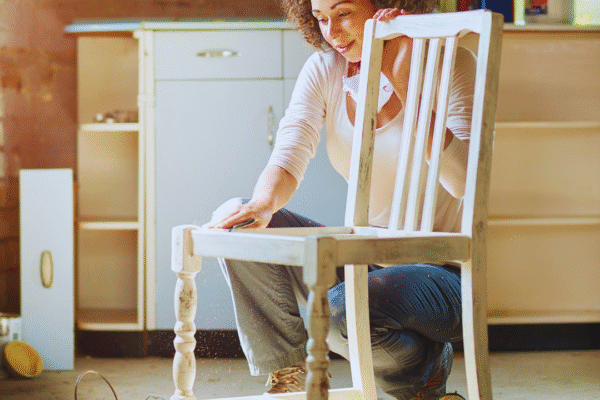
Upcycling projects transform old furniture or materials into unique décor, preventing landfill waste. Vintage furniture offers durable construction and design longevity that fast-produced items often lack.
Timeless design focuses on neutral colours and classic shapes that avoid short-lived trends. Choosing pieces that blend style with sustainability allows them to remain relevant and useful for years, reducing the need for frequent replacement. This approach supports an eco-friendly home by valuing durability over disposability.
Maintaining a Sustainable Home Décor Lifestyle
Sustaining an eco-friendly home décor involves conscious choices that extend beyond material selection. It requires adapting to changes and designing spaces that endure over time, minimising waste.
Adapting to Evolving Trends Responsibly
Choosing sustainable home décor means balancing current styles with long-term impact. Instead of chasing fast trends, individuals should focus on timeless design elements that stay relevant.
When updating décor, they can repurpose or donate older items rather than discarding them. Prioritising eco-friendly materials like reclaimed wood, organic textiles, or recycled metals helps reduce environmental strain.
Staying informed about industry innovations supports smarter choices. Subscribing to sustainable design platforms or consulting specialists can guide updates that maintain aesthetic appeal without sacrificing responsibility.
Designing for Flexibility and Sustainability
Designing flexible spaces ensures that furniture and décor serve multiple functions, reducing the need for frequent replacements. Modular furniture made from sustainable materials supports both adaptability and environmental care.
Durability is crucial; selecting items crafted from high-quality, eco-friendly materials like bamboo or recycled glass extends product life. Avoiding disposable décor pieces also helps lower waste.
Incorporating neutral colours and classic shapes fosters a timeless environment. This approach minimises the impulse to redecorate due to passing fashions and strengthens the sustainable home décor commitment.