Upcycling furniture is a creative way to breathe new life into pieces that may seem outdated or worn. With a bit of innovation and effort, anyone can transform old furniture into stylish home decor that reflects personal taste. This approach not only enhances the aesthetic appeal of a space but also promotes sustainability by reducing waste.
As more people seek unique and eco-friendly decor options, upcycling has gained popularity. It allows individuals to express their creativity while crafting functional art for their homes. From repainting a tired dresser to reupholstering a vintage chair, the possibilities are endless.
Embracing the upcycling trend can lead to impressive results that elevate interior spaces. By applying simple techniques and a splash of imagination, furniture can be revitalised without the need for expensive new purchases. This guide will explore practical steps and ideas to inspire anyone looking to embark on their upcycling journey.
Planning Your Upcycling Project
Effective planning is essential before starting an upcycling project. By choosing the right furniture, gathering necessary materials, and integrating creativity into the design, the process can be both enjoyable and rewarding.
Choosing the Right Furniture
Selecting furniture that is suitable for upcycling is a crucial step. Ideal pieces are often found at thrift stores, garage sales, or flea markets. Look for sturdy items like dressers, coffee tables, or shelving units that have good bones but may need a cosmetic update.
Consider the size and style of the furniture. Will it fit in the intended space? Additionally, select items that inspire creativity. A unique shape or an interesting texture can lead to a more innovative design.
Before bringing a larger piece home, think about how it will be transported safely. Bulky dressers, tables, and shelving units may require a utility trailer rather than a standard car, so check the load is secure and that essential towing equipment, including trailer safety chains, is connected correctly before setting off.
Gathering Materials
Once the furniture is chosen, gather essential materials for the project. Basic supplies typically include sandpaper, paint or stain, brushes, and sealants. Other materials may incorporate new hardware, fabric, or decorative elements.
Make a list based on the desired outcome of the project. Visiting local craft stores or repurposing centers can provide inspiration and access to specialty items. Always consider sustainability by opting for recycled or eco-friendly products when possible.
Design and Creativity
Creativity plays a significant role in upcycling projects. Begin by brainstorming design ideas that align with personal style and the furniture’s characteristics. Drawing sketches can aid in visualising the final product.
Incorporate various techniques such as painting, decoupage, or reupholstering to achieve a unique look. Mixing colors and patterns can breathe new life into an old piece. Utilise online resources or social media platforms for inspiration and tutorials. Each detail contributes to a refreshed, personalised item that can stand out in any space.
Preparation and Cleaning
Before starting the upcycling process, proper preparation and cleaning are crucial. This phase helps in achieving a smooth surface for painting or varnishing, ensuring a lasting finish.
Stripping Old Paint and Varnish
Stripping old paint or varnish is often the first step in preparing furniture. A paint stripper can be effective in removing layers, but safety precautions are necessary.
- Use gloves and a mask when working with chemicals.
- Apply the stripper with a brush and wait for the time specified on the product label.
- Once the old finish bubbles up, use a scraper to remove it gently.
For tough areas, a heat gun can assist in softening the paint. After stripping, clean the surface with a damp cloth to remove any residue. This ensures the surface is clean and ready for the next steps.
Sanding and Priming
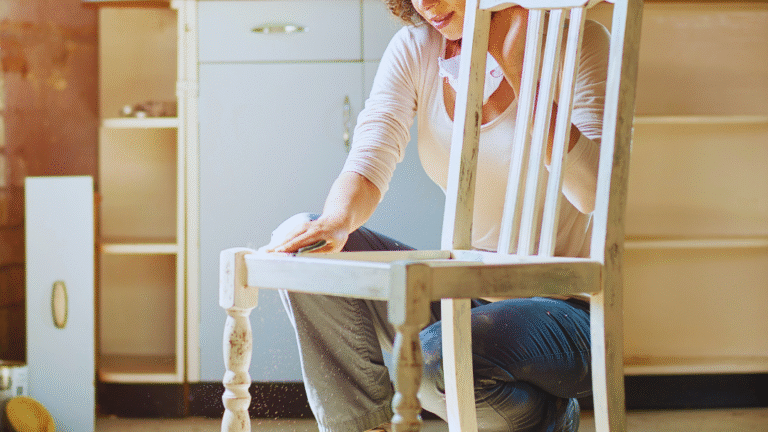
Sanding is essential for creating a smooth surface. It helps the primer and paint adhere better. Start with coarse sandpaper (around 80-100 grit) to remove any rough patches.
- Follow up with a finer sandpaper (200-220 grit) for a smooth finish.
- Sand in the direction of the grain to minimise scratches.
After sanding, it is crucial to remove dust using a vacuum or damp cloth. Once clean, apply a primer. Primer not only enhances adhesion but also covers any stains or imperfections.
- Choose a primer suitable for the paint type.
- Apply using a brush or roller, ensuring even coverage.
Proper sanding and priming set the stage for a successful and durable finish in furniture upcycling projects.
Painting and Finishing Techniques
Painting and finishing techniques are essential for revitalising furniture. These methods ensure a durable and appealing look, enhancing the piece’s overall aesthetic. Key techniques include applying primer and paint, using varnish and sealants, and mastering spray paint application.
Applying Primer and Paint
Before applying paint, it is crucial to use a primer. A primer prepares the surface, allowing paint to adhere better. It also helps in covering imperfections and provides a uniform base color.
Steps for Applying Primer:
- Clean the Surface: Remove dirt and grease with a damp cloth.
- Sand the Furniture: Light sanding helps the primer stick better.
- Apply Primer: Use a brush or roller for even coverage. Let it dry completely.
After priming, choose high-quality paint. Latex paint is popular due to its easy cleanup and durability. Use a paintbrush for detailed areas and a roller for larger surfaces.
Tips for Painting:
- Apply multiple thin coats for a professional finish.
- Allow each coat to dry thoroughly between applications.
Using Varnish and Sealants
Varnish and sealants protect painted furniture, providing a hard, durable finish. They create a barrier against moisture and scratches.
Choosing the Right Varnish:
- Water-Based Varnish: Dries quickly and has low odor, making it suitable for indoor use.
- Oil-Based Varnish: Offers a rich finish but takes longer to dry.
When applying varnish, ensure the surface is clean and dry. Use a quality brush to apply, starting from one edge and moving uniformly. For the best results, sand lightly between coats.
Application Tips:
- Follow the manufacturer’s instructions for drying times.
- Use a ventilated area to allow fumes to dissipate.
Spray Paint Application
Spray paint can yield a smooth, even finish and is especially useful for intricate designs and hard-to-reach areas. Proper technique is vital to achieving a satisfactory result.
Steps for Effective Spray Painting:
- Prepare the Area: Lay down a drop cloth to protect surrounding surfaces.
- Shake the Can: Shake vigorously for at least one minute to mix the paint.
- Hold the Can Properly: Keep the spray can 6-12 inches from the surface.
Technique:
- Apply in even, sweeping motions.
- Overlap each stroke slightly for uniform coverage.
- Multiple thin coats reduce drips and ensure an even finish.
By following these techniques, furniture can be transformed effectively, extending its life and aesthetic appeal.
Decorative Upcycling Ideas
Transforming furniture into decorative pieces involves creativity and a keen eye for design. Two effective methods for achieving this are decoupage and embellishments, along with upgrading hardware and accessories.
Decoupage and Embellishments
Decoupage is a popular technique that involves applying decorative paper or fabric to surfaces with adhesive. This method allows for personalisation and can cover imperfections.
Select patterned paper, old maps, or even fabric remnants to enhance furniture pieces. Steps include:
- Preparation: Clean surfaces thoroughly.
- Cutting: Trim the chosen material to fit.
- Adhering: Apply a layer of glue, place the material, then seal with additional glue.
Using embellishments like stencils or painted designs can elevate pieces further. Incorporate contrasting colors to create eye-catching effects. This technique adds character without extensive renovation.
Hardware and Accessory Upgrades
Upgrading hardware and accessories is a straightforward yet impactful way to refresh furniture. Swapping out old knobs or handles for modern or vintage alternatives can change the entire aesthetic.
Consider these options:
- Knobs: Choose ceramic, glass, or metal finishes.
- Handles: Opt for unique shapes or textures.
- Feet and Legs: Replace standard legs with distinctive styles.
Incorporating accessories such as decorative trays, mirrors, or new lighting can augment the look and functionality of furniture. These updates can reflect personal style while enhancing overall home decor.