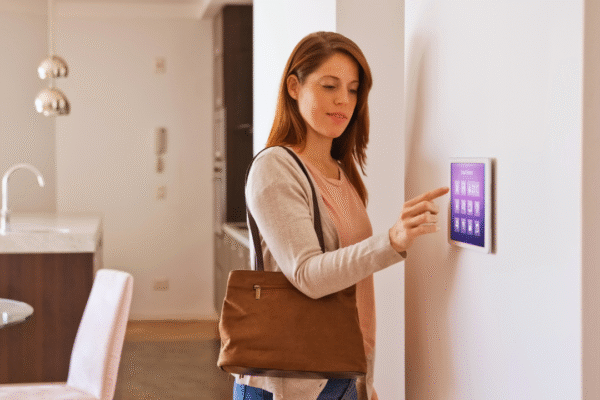

Creating an energy-efficient home office is essential for anyone working from home who wants to reduce energy costs and environmental impact. It involves smart choices in lighting, equipment, and workspace design that minimise electricity use without compromising productivity. Optimising natural light, using energy-saving devices, and managing power consumption effectively are key steps to making a home office more energy efficient.
A well-planned energy-efficient home office can help maintain comfort while lowering utility bills. Simple adjustments like switching to LED bulbs, selecting ENERGY STAR-rated electronics, and unplugging devices when not in use contribute to significant savings.
Incorporating these strategies supports a sustainable work-from-home environment, benefiting both the user and the planet. Small, conscious changes in the home office setup can make a big difference over time.
Optimising Office Layout and Lighting
An effective home office layout and lighting plan can reduce energy use and improve work comfort. Strategic placement of furniture and lighting choices impacts energy consumption and enhances productivity.
Maximising Natural Light
Using natural light reduces reliance on artificial lighting during the day. Position desks near windows to take advantage of sunlight. Sheer curtains or blinds can control glare without blocking light.
Natural light improves mood and productivity while lowering electricity costs. Avoid placing large furniture or tall plants that block light sources. Reflective surfaces like white walls or light-colored desks help distribute daylight evenly.
Switching to LED Lighting
Replacing incandescent bulbs with LED lights significantly cuts energy use. LEDs consume about 75% less energy and last up to 25 times longer. This change lowers electricity bills and reduces the need for frequent replacements.
Use warm or neutral white LEDs to create a comfortable work environment. Incorporate adjustable or dimmable LED fixtures to adapt lighting intensity for different tasks, preventing eye strain and enhancing focus.
Positioning Workspace for Energy Efficiency
Arranging the workspace to optimise airflow and temperature decreases heating and cooling needs. Avoid placing desks near heat sources like radiators or direct sunlight that raise the room temperature unnecessarily.
Set up equipment to minimise cable clutter and improve airflow around electronics to prevent overheating. This arrangement helps devices run efficiently and extends their lifespan.
Selecting Energy-Efficient Equipment and Devices
Choosing the right technology and managing device power usage significantly impacts energy consumption in a home office. Using certified products and intelligent power management tools helps reduce electricity bills and minimises energy waste.
Choosing ENERGY STAR Certified Technology
ENERGY STAR certified devices meet strict energy efficiency guidelines set by the U.S. Environmental Protection Agency. Computers, monitors, printers, and other office equipment with the ENERGY STAR label consume less power during active use and standby mode.
Selecting ENERGY STAR certified technology can reduce electricity bills without sacrificing performance. These products often have features like sleep mode and low power consumption settings, which automatically lower energy use when idle.
When shopping, look for the ENERGY STAR label on product packaging or online listings. Prioritise equipment like laptops over desktops, since they usually have lower energy consumption even when running similar tasks.
Managing Power Consumption with Smart Power Strips
Smart power strips are designed to cut off electricity to devices that enter standby or idle modes. This prevents phantom loads, where equipment still draws power even when turned off, contributing to energy waste.
These power strips typically have control outlets that detect when a primary device powers down and then shut off connected peripherals. This feature is especially useful for desks with multiple devices like monitors, printers, and chargers.
By using smart power strips, users can reduce unnecessary energy consumption effectively. This results in lower energy bills and a more efficient home office setup by addressing hidden power draws often overlooked in traditional setups.
Improving Insulation and Temperature Control
Maintaining consistent temperature and reducing heat loss are essential for an energy-efficient home office. Addressing gaps in insulation, choosing appropriate window coverings, and managing heating systems improve comfort and reduce energy costs.
Sealing and Insulating the Office Space
They should inspect and seal all air leaks around doors, windows, and outlets using weatherstripping or caulk. Adding insulation to walls, ceilings, and floors helps minimise heat transfer and keeps the office warmer in winter and cooler in summer.
Proper insulation materials, such as fibreglass batts or spray foam, can significantly reduce the workload on heating and cooling systems. This limits drafts and energy waste, creating a more stable temperature environment.
Using Well-Insulated Window Coverings
Well-insulated window coverings, especially cellular shades, trap air and provide an extra layer of insulation. These shades reduce heat loss through windows during colder months and block heat from sunlight in warmer weather.
Thick curtains or thermal drapes also contribute to temperature control by reducing drafts and preventing heat exchange. Choosing coverings that fit tightly and close fully maximises their insulating effect.
Implementing Programmable Thermostats and Space Heaters
Programmable thermostats allow precise control of heating schedules, lowering energy use when the office is not occupied. Setting the thermostat to reduce temperatures during off-hours can save significant energy.
When localised heating is needed, energy-efficient space heaters offer targeted warmth without heating the entire house. Selecting models with automatic shut-off and thermostat controls ensures safety and prevents unnecessary energy use.
Adopting Sustainable Practices for Long-Term Efficiency
Implementing sustainable actions can lower energy costs, reduce carbon footprint, and improve air quality in a home office. Consistent attention to device usage, supply choices, and energy monitoring supports lasting energy efficiency.
Reducing Standby Power and Unplugging Devices
Many office electronics consume power even when turned off, a phenomenon known as standby power. Devices such as printers, chargers, and monitors use “phantom energy,” which can add up over time.
To minimise this, unplug devices when not in use or connect them to a power strip with an on/off switch. This allows easy disconnection of multiple devices simultaneously.
Smart plugs with timers or energy monitoring features can further reduce unnecessary consumption. This approach helps lower environmental impact and reduces monthly energy bills without affecting office productivity.
Choosing Eco-Friendly Office Supplies
Selecting supplies with sustainable certifications like FSC paper or recycled plastic materials reduces environmental harm. Items such as refillable pens, recycled paper, and biodegradable cleaning products contribute to energy conservation through lower manufacturing demands.
Avoid single-use plastics and batteries when possible. Opt for rechargeable batteries and supplies designed for durability to extend the product lifecycle.
This practice supports carbon footprint reduction and promotes a healthier workspace by limiting exposure to harmful chemicals often found in conventional supplies.
Monitoring Energy Usage and Environmental Impact
Regular tracking of energy consumption helps identify inefficient devices or habits. Tools like energy monitors or smart meters provide real-time data on electricity use.
Analysing this data enables targeted changes, such as adjusting heating, cooling, or lighting schedules. It also highlights areas for potential upgrades to energy-efficient appliances.
Understanding how daily actions affect the office’s environmental impact encourages ongoing energy conservation and cost savings. Continuous monitoring fosters accountability and supports long-term efficiency goals.