Water waste is a significant issue that affects both the environment and household expenses. Reducing water waste in everyday life requires conscious actions like fixing leaks, turning off taps when not in use, and using water-efficient appliances. Simple changes in daily habits can lead to substantial water savings over time.
Many people underestimate how small adjustments, such as shortening showers or using a broom instead of a hose to clean outdoor areas, contribute to preserving water. Awareness and intentional behaviour are key to making a real difference.
By adopting these straightforward strategies, individuals can reduce their water footprint without sacrificing comfort or convenience. This practical approach benefits both the planet and personal budgets.
Key Principles of Reducing Water Waste at Home
Reducing water waste starts with understanding how water is used and where it is lost. Tracking consumption patterns and identifying leaks are essential steps to managing usage effectively and lowering water bills.
Understanding Water Consumption and Waste
Water consumption means how much water households use for drinking, cooking, cleaning, and outdoor activities. Waste occurs when water is used inefficiently or lost through leaks and poor habits.
Common water wasters include leaving taps running, overwatering plants, and running full dishwashers with only partial loads. By measuring typical daily usage and spotting wasteful behaviours, households can target specific reductions.
Water-efficient appliances and fixtures also affect overall consumption. Identifying which devices use the most water helps prioritise upgrades or repairs that reduce waste without compromising essential usage.
Analysing Your Water Bill to Track Usage
A water bill contains detailed information on water consumption for each billing period. Comparing bills month to month reveals trends like seasonal spikes or unexpected increases.
Look for unusually high readings that could indicate leaks or waste. Bills usually show consumption in units like cubic meters or gallons, allowing precise monitoring.
Some bills also include estimated vs actual usage, which can help confirm meter accuracy. Tracking your water bill over time supports informed decisions about water-saving actions and helps quantify improvements.
Common Sources of Household Leaks
Leaks cause significant water waste and often go unnoticed. They can be hidden in pipes, faucets, toilets, irrigation systems, and appliances.
Key leak indicators include constantly running toilets, dripping taps, damp spots near pipes, or sudden, unexplained increases in water bills. Toilets alone can waste hundreds of gallons daily if faulty.
Regular inspections for these leaks and prompt repairs reduce waste and prevent damage. Using leak detection tools or hiring professionals ensures accuracy, protecting both water resources and finances.
Essential Indoor Water Conservation Habits
Water conservation indoors involves simple actions that significantly reduce waste. Small adjustments, such as timing and equipment upgrades, help save gallons daily.
Turn Off Taps While Brushing and Shaving
Turning off taps during brushing or shaving can save up to 8 gallons of water per day. Rather than leaving the tap running, wet the toothbrush or razor, then turn the tap off while scrubbing or shaving.
Encourage forming the habit of turning off the tap immediately after use. This avoids continuous flow, which often goes unnoticed but leads to substantial water loss.
Using a cup for rinsing instead of letting water run also reduces consumption. This practice requires no additional equipment but relies on conscious effort to turn off taps promptly.
Take Shorter Showers and Use Low-Flow Showerheads
Reducing shower time by even two minutes saves about 10 to 25 gallons each shower. A shorter shower limits water use without sacrificing cleanliness.
Installing a WaterSense-labelled low-flow showerhead further conserves water. These showerheads maintain pressure while lowering flow rates to 2.0 gallons per minute or less.
Low-flow showerheads blend efficiency and comfort, cutting water use by nearly 30% compared to standard models. This upgrade minimises water waste with an easy installation procedure.
Fix and Prevent Leaks Quickly
Leaky faucets and pipes waste thousands of gallons each year if ignored. Even small drips add up, causing notable water loss.
Regularly inspect indoor plumbing for leaks and repair them immediately. Prioritise dripping taps, running toilets, and pipe joints.
Timely maintenance not only conserves water but also prevents damage and high utility bills. Use plumber’s tape or washers to fix minor leaks before professional help is needed.
Upgrade to Dual-Flush Toilets
Dual-flush toilets offer two flush options: a low-volume flush for liquids and a higher-volume flush for solids. This system cuts water use by up to 50% per flush.
Replacing older toilets with dual flush toilets rated by WaterSense ensures efficient water use. These toilets typically use 1.28 gallons or less per flush compared to 3.5+ gallons in traditional models.
This upgrade conserves water without requiring behaviour changes. The straightforward design encourages users to pick the appropriate flush, maximising water savings indoors.
Efficient Appliance Use and Smart Technologies
Using appliances correctly and choosing water-efficient models significantly cuts water use in homes. Smart devices provide real-time data to detect leaks and optimise water consumption, helping reduce water waste effectively.
Run Full Loads in Dishwashers and Washing Machines
Running dishwashers and washing machines only when full maximises water efficiency. Partial loads use nearly the same amount of water as full loads, leading to unnecessary waste.
It is best to delay use until the appliance is fully loaded. This practice can save up to 30% of the water normally used per cycle.
Adjusting the water level settings to match load size further reduces water waste. Many modern machines have automatic load sensing, but manual adjustment remains useful for older models.
Choose WaterSense and ENERGY STAR Certified Appliances
Appliances with WaterSense and ENERGY STAR labels meet strict efficiency standards set by the EPA. These products use less water and energy compared to conventional options.
WaterSense washing machines, for example, can use 33% less water than standard models. ENERGY STAR dishwashers reduce water use by about 12 gallons per cycle.
Choosing certified appliances supports long-term water savings and reduces utility bills. They are designed to maintain performance while being more sustainable.
Install Smart Water Monitors
Smart water monitors track daily water use and detect leaks instantly. They provide detailed reports through smartphone apps, helping users identify unusual consumption patterns.
Some models offer automatic shut-off features to prevent major leaks and water loss. Installation is usually straightforward, connecting to the main water line for comprehensive monitoring.
Integrating these devices into the home helps people stay proactive about water conservation, thereby reducing water waste and potential damage.
Outdoor Water Conservation Strategies
Effective outdoor water conservation requires targeted methods to minimise waste without compromising plant health or landscape appearance. Key techniques include efficient irrigation, capturing rainwater, and designing landscapes that reduce water needs.
Smart and Drip Irrigation Methods
Smart irrigation systems use sensors or weather data to adjust watering schedules, ensuring plants receive water only when necessary. This prevents overwatering during rain or cooler periods, saving significant amounts of water.
Drip irrigation delivers water directly to plant roots through small tubes and emitters. This method reduces evaporation and runoff compared to sprinkler systems, concentrating moisture where it is needed most. Combining smart controls with drip systems maximises efficiency.
Switching to these irrigation types can reduce outdoor water use by up to 50%, making them practical choices for garden and lawn care.
Rainwater Harvesting with Rain Barrels
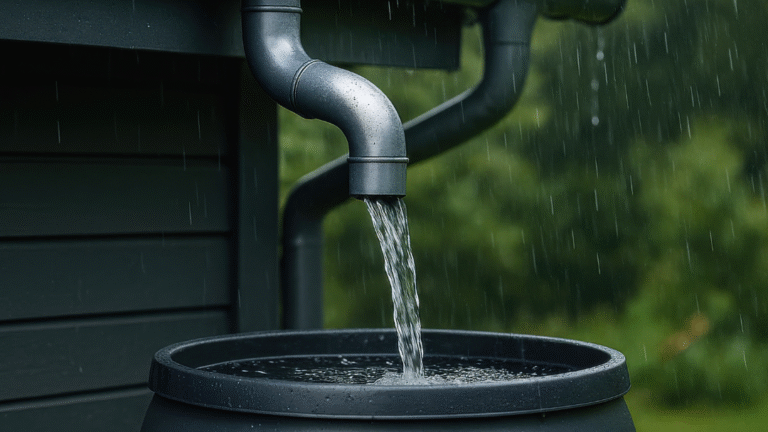
Rain barrels collect roof runoff, storing rainwater for later use in outdoor irrigation. This method conserves municipal water and reduces stormwater runoff that can cause erosion and pollution.
Positioning barrels near downspouts allows easy access to untreated rainwater for plants. A typical 50- to 100-gallon rain barrel can supply water during dry conditions, lowering dependency on tap water.
Using rainwater also benefits plants, as it is free of chlorine and chemicals commonly found in treated water, promoting healthier growth.
Water-Efficient Landscaping Practices
Water-efficient landscaping, or xeriscaping, involves selecting drought-tolerant plants that require less irrigation. Native species are often suited to local climates and soil, thriving with minimal supplemental water.
Incorporating mulch reduces soil evaporation and improves moisture retention. Grouping plants with similar water needs avoids overwatering some while underwatering others.
Design techniques like contouring soil can help direct water toward plants and reduce runoff. These practices significantly reduce outdoor water consumption over time.