
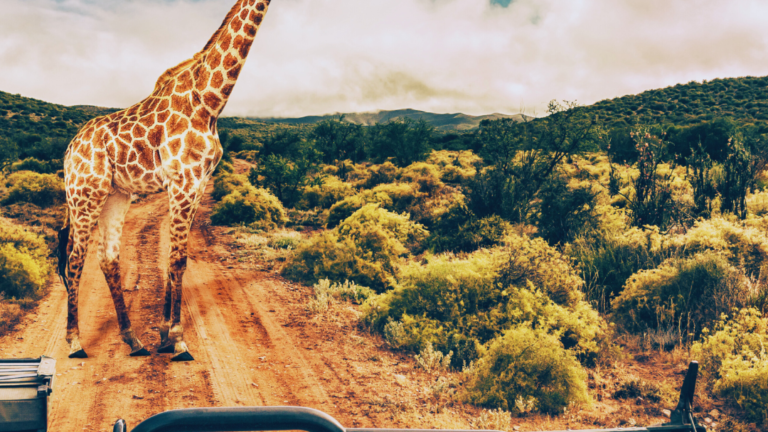
Responsible wildlife tourism prioritises the welfare of animals and their habitats while allowing individuals to experience nature up close. It emphasises ethical practices that support conservation efforts and provides tangible benefits to local communities. By focusing on sustainable interactions, responsible wildlife tourism fosters a deeper appreciation for the environment and encourages visitors to advocate for wildlife protection.
This approach ensures that tourism activities do not disrupt natural behaviours or contribute to ecological damage. Engaging with reputable tour operators who promote conservation can enhance the experience, making it both enjoyable and beneficial for the ecosystem. As awareness grows about the impact of tourism on wildlife, understanding responsible practices becomes vital for both travellers and the industry.
The demand for authentic encounters with wildlife must be balanced with a commitment to protecting these species and their ecosystems. Responsible wildlife tourism not only enriches personal experiences but also plays a crucial role in preserving biodiversity for future generations.
Essential Principles of Responsible Wildlife Tourism
Responsible wildlife tourism emphasises ethical practices that prioritise animal welfare, support conservation efforts, and enhance local communities. The following principles are essential for ensuring a positive impact on both the wildlife and the regions they inhabit.
Understanding Animal Welfare
Animal welfare is a cornerstone of responsible wildlife tourism. It involves ensuring that the physical and mental well-being of animals is protected. Tourists should seek operators who adhere to strict ethical standards.
Important considerations include:
- Natural behaviour: Animals should be observed in their natural habitats without unnecessary intrusion.
- Habitat protection: Activities should not disturb ecosystems or lead to habitat degradation.
- Avoiding captivity: Tourists should favour experiences that respect wild animals and avoid exploitation that leads to confinement or harmful practices.
Promoting Conservation Efforts
Responsible wildlife tourism plays a pivotal role in supporting conservation initiatives. It raises awareness and funding for habitat protection and species preservation. Tour operators should contribute to conservation projects directly.
Key aspects include:
- Funding: A portion of tourism revenues can be allocated to local conservation efforts.
- Education: Tourists should be informed about local wildlife and conservation challenges.
- Sustainable practices: Encouraging environmentally friendly practices, such as reducing waste and conserving resources, is essential for preserving wildlife habitats.
Supporting Local Communities
Local communities benefit significantly from responsible wildlife tourism. Tourists should engage with and support these communities to foster economic development. Responsible operators often employ locals, providing jobs and promoting cultural exchange.
Critical points are:
- Economic contributions: Tourists support local economies by purchasing goods and services offered by residents.
- Cultural respect: Engaging respectfully with indigenous cultures enhances experiences for both visitors and locals.
- Inclusive development: Promoting partnerships that involve local voices ensures that tourism benefits are equitably distributed.
Types of Wildlife Tourism
Wildlife tourism encompasses various experiences that allow individuals to observe and interact with animals in their natural habitats. Key types include safaris, wildlife sanctuaries, and marine parks, each offering unique encounters and insights into wildlife conservation.
Safaris and National Parks
Safaris provide an immersive experience in natural landscapes, predominantly in Africa. Travellers can observe animals such as elephants, tigers, and rhinos in their native habitats.
National parks are protected areas that preserve wildlife and their ecosystems. Notable examples include Kruger National Park in South Africa and Yellowstone in the USA, where visitors can engage in guided tours, self-drives, or camping.
Sustainable practices, like those promoted in safari lodges, enhance wildlife conservation and support local communities. Responsible tourism ensures minimal impact on natural habitats while fostering appreciation for biodiversity.
Wildlife Sanctuaries and Rescue Centres
Wildlife sanctuaries and rescue centres focus on the rehabilitation of injured and orphaned animals. They often educate the public about conservation efforts, allowing visitors to learn about endangered species like polar bears and various big cats.
These centres provide safe environments for animals that cannot be returned to the wild. Tourists can participate in guided tours, volunteer programmes, or donations, which contribute to animal care and habitat restoration.
Sanctuaries like the Jane Goodall Institute and the Edinburgh Zoo play crucial roles in promoting ethical wildlife tourism and fostering advocacy for wildlife protection.
Marine Parks and Aquatic Encounters
Marine parks offer opportunities to explore and engage with aquatic life responsibly. Visitors can experience encounters with whales, dolphins, and other marine species while learning about ocean conservation.
These parks often include initiatives aimed at the protection of marine environments. Activities such as snorkelling, diving, and educational boat tours allow individuals to witness vibrant ecosystems firsthand.
Responsible practices contribute to wildlife health and habitat preservation, emphasising the importance of sustaining marine biodiversity. Safety measures ensure that interactions with creatures do not disrupt their natural behaviours.
Challenges in Wildlife Tourism
Wildlife tourism faces several significant challenges that impact both animal welfare and the environment. Key issues include exploitation and unethical practices, the risk of disease transmission, and the illegal wildlife trade.
Combating Exploitation and Unethical Practices
Exploitation in wildlife tourism often manifests through activities that prioritise profit over animal welfare. Tour operators may offer experiences that involve close encounters with wildlife, resulting in stress and harm to animals. Activities such as using wild animals for entertainment can lead to mistreatment and distress.
Unethical practices include the use of animals in captivity for photographic opportunities. These situations often neglect the animals’ natural behaviours and needs. Tourists should critically assess the ethical standards of wildlife experiences and favour operators that adhere to strict welfare guidelines.
Mitigating Disease Transmission
Wildlife tourism can pose health risks to both animals and humans, largely due to the potential transmission of diseases. Close contact between tourists and wild species can facilitate the spread of zoonotic diseases. For instance, pathogens that exist in wildlife populations can jump to humans, leading to outbreaks.
To mitigate these risks, strict hygiene protocols must be established. Tour operators should educate tourists about maintaining safe distances and avoiding direct contact with wildlife. Additionally, vaccination efforts and health monitoring for both tourists and local wildlife can significantly reduce the likelihood of disease transmission.
Addressing Illegal Wildlife Trade
The illegal wildlife trade represents a major challenge within wildlife tourism. Many species are threatened by poaching and illegal trafficking for souvenirs or exotic pet markets. This trade undermines conservation efforts and contributes to declining populations of endangered species.
To combat this issue, awareness and education are crucial. Tourists should be informed about the impact of their purchases on wildlife populations and local ecosystems. Supporting legal and ethical enterprises that contribute to conservation can help curtail illegal trade and promote sustainable tourism practices.
How to Participate in Responsible Wildlife Tourism
Participating in responsible wildlife tourism involves making informed choices that prioritise animal welfare and support conservation efforts. Visitors can engage ethically by selecting activities that contribute positively to wildlife and local communities.
Making Ethical Choices
When planning a wildlife trip, selecting tour operators committed to ethical practices is crucial. Research companies that prioritise the well-being of animals and promote responsible tourism. Look for operators that avoid direct interactions with wildlife, such as riding or feeding, which can disrupt natural behaviours.
Key considerations include:
- Certification by recognised wildlife conservation organisations
- Transparent practices regarding animal welfare
- Adherence to guidelines for wildlife interactions
Selecting lodging that practices sustainability, such as eco-friendly hotels or lodges, also enhances responsible tourism efforts. These accommodations often contribute to local conservation projects and employ locals, which supports the community economically.
Education and Raising Awareness
Education plays a vital role in responsible wildlife tourism. Tourists should educate themselves about the ecosystems they plan to visit and the specific wildlife they will encounter. This knowledge fosters respect for wildlife and their habitats.
Ways to engage include:
- Participating in guided tours led by local experts who can share insights on conservation issues
- Attending workshops or talks hosted by conservation groups
- Sharing information with fellow travellers to raise awareness about responsible practices
By staying informed, individuals can contribute to conservation efforts and support sustainable tourism initiatives in the regions they visit.
Voting with Your Wallet
Financial choices can significantly influence wildlife tourism practices. Tourists should “vote with their wallets” by supporting businesses that demonstrate a commitment to ethical animal tourism and conservation.
Strategic spending includes:
- Choosing operators that support local communities or conservation projects
- Avoiding establishments that exploit animals for entertainment, such as circuses or poorly-managed zoos
- Investing in experiences that promote sustainability, like wildlife safaris conducted in their natural habitats
By making conscious purchasing decisions, tourists can drive demand for responsible tourism, encouraging more businesses to adopt ethical practices in wildlife tourism.