
Saving energy at home not only benefits the environment but also reduces monthly utility bills. Implementing simple energy-saving tips can significantly improve energy efficiency and decrease overall energy use. From minor adjustments to lifestyle changes, even small steps can lead to substantial savings.
Homeowners often overlook basic strategies that make a difference. Simple actions such as sealing drafts, using energy-efficient appliances, and adjusting thermostat settings can contribute to a more energy-conscious household. These changes create a sustainable environment while keeping costs manageable.
Overall, adopting energy-saving practices is easier than many might think. With a few straightforward adjustments, anyone can foster an environment that prioritises efficiency without sacrificing comfort. Exploring these methods can inspire readers to start their energy-saving journey today.
Understanding Energy Usage at Home
Energy usage at home comprises various factors affecting how much energy is consumed. By identifying key areas such as heating and cooling systems, water heating, household appliances, and insulation, homeowners can implement strategies to improve efficiency and reduce energy bills.
Heating and Cooling Systems
Heating and cooling systems account for a significant portion of residential energy use. Efficient thermostat management can lead to notable savings. Using a smart thermostat enables homeowners to schedule temperature changes based on their routines, enhancing energy efficiency.
Heat pumps are an energy-efficient alternative for heating and cooling. They transfer heat instead of generating it, consuming less energy. Regular maintenance of air conditioning units and furnaces also ensures optimal performance and prevents unnecessary energy waste. You can even consider switching your systems to a more sustainable fuel source, such as propane. With new services like Propane Delivery in Florida and other areas, this is easier than ever for homeowners.
Water Heating and Usage
Water heaters are another major contributor to energy consumption. The temperature setting on a water heater can greatly impact energy bills; lowering it to around 120 F can save money without sacrificing comfort.
Incorporating low-flow fixtures in bathrooms and kitchens can reduce hot water usage. Additionally, insulating hot water tanks and pipes minimises heat loss, enhancing energy efficiency. Choosing energy-efficient water heaters, such as tankless options, can lead to long-term savings.
Household Appliances and Electronics
Household appliances and electronics also play a key role in energy consumption. Many devices continue to draw power even when not in use, a phenomenon known as “phantom load.” Unplugging devices or using a power strip can reduce this waste.
Opting for energy-efficient equipment is crucial. Appliances with the ENERGY STAR label typically consume less energy compared to standard models. Regularly cleaning filters in appliances, like refrigerators and dryers, also promotes efficiency and longevity.
Insulation and Weatherisation
Proper insulation and weatherisation significantly affect energy usage by preventing drafts. Installing weather stripping and caulking around doors and windows helps minimise air leaks.
Effective insulation in walls, attics, and basements maintains comfortable indoor conditions throughout the year. Homeowners should consider inspecting insulation levels and adding materials where necessary. This will reduce reliance on heating and cooling systems and lower energy bills.
On top of this, roof inspections should be done to see if there are any leaks that could be causing high energy output. If there is, then roof repairs or a replacement will be needed along with new insulation.
Implementing Energy-Saving Measures
Adopting energy-saving measures requires practical steps that can significantly lower electricity demand and reduce energy bills. The following methods will enhance energy efficiency in homes while making effective use of available resources.
Lighting Solutions
Switching to energy-efficient lighting is a straightforward way to save energy. LED bulbs consume up to 80% less electricity than traditional incandescent bulbs and last much longer.
Tips for optimising lighting:
- Install dimmer switches: These can help to adjust brightness according to need, saving electricity.
- Use motion sensors: Perfect for areas like hallways or outdoor spaces, as they turn off lights automatically when not in use.
- Maximise natural light: Open curtains during the day to reduce reliance on artificial lighting.
By implementing these strategies, homeowners can lower their lighting costs substantially while contributing to energy conservation.
Optimising Thermostat Settings
Setting the thermostat to optimised temperatures during different seasons can significantly affect heating and cooling energy use. A recommended setting is 68 F during winter and 78 F in summer.
Smart thermostat benefits include:
- Programmable schedules: They enable users to set times for heating or cooling to match when residents are home.
- Adaptive features: Many smart thermostats learn preferences over time, adjusting settings automatically for maximum efficiency.
Utilising these options not only enhances comfort but also helps in reducing energy bills.
Utilising Fans and Natural Ventilation
Using ceiling fans can enhance comfort without relying solely on air conditioning. Fans can circulate air effectively, allowing for warmer or cooler temperatures to feel more comfortable.
Steps to utilise fans efficiently:
- Set fans to rotate counterclockwise in summer for a cool breeze and clockwise in winter to circulate warm air.
- Open windows during cooler evenings to let fresh air in and reduce the need for air conditioning.
Implementing these techniques can make a noticeable impact on energy consumption while creating a more pleasant living environment.
Financial Incentives and Energy Management
Understanding financial incentives can significantly impact energy management at home. By utilising available rebates and adaptable rate plans, homeowners can make energy-efficient choices while reducing costs.
Rebates and Discounts
Many utility companies offer rebates for purchasing energy-efficient equipment, like Energy Star-rated appliances, which can lower energy usage. These rebates can offset the initial costs of more efficient models. For example, a homeowner may receive $100 back for an energy-efficient refrigerator.
Discount programs might also apply to low-income households. Such discounts can reduce monthly energy bills, making energy management more accessible. Checking with local utility providers or visiting their websites can reveal current rebate opportunities and eligibility requirements.
Energy Rate Plans and Billing Options
Homeowners can take advantage of various energy rate plans to manage their usage effectively. Time-of-use (TOU) pricing, for instance, charges different rates based on peak and off-peak hours. Consumers can save money by shifting usage to times when rates are lower.
Budget billing options allow households to pay a consistent amount each month, aiding in financial planning. These plans take into account an average of previous energy bills, smoothing out seasonal fluctuations. Companies like Wendt’s Propane and Oil generally offer personalized fuel delivery plans and pricing options to help customers better control heating costs throughout the year. With automatic delivery services and energy-saving resources, customers can stay on top of their home energy needs. Additionally, mobile apps provided by utility companies can help manage accounts, track usage, and adjust energy habits accordingly.
Energy Audits and HVAC Tune-Ups
An energy checkup or audit can pinpoint inefficiencies in a home’s energy use. Utility companies often provide this service for free or at a reduced cost. The audit assesses insulation, heating systems, and appliances to identify energy-saving opportunities.
After the audit, homeowners may receive recommendations to improve efficiency, which can lead to further savings on energy bills. They may also learn about additional rebates applicable to suggested upgrades, enhancing the overall financial incentives for energy management. Investing time in an energy checkup typically pays off, leading to lower bills and a smaller carbon footprint.
In addition to energy audits, routine HVAC maintenance and seasonal tune-ups are essential for maintaining system performance. Regular servicing of heating and cooling equipment helps address wear and inefficiencies early, preventing costly breakdowns and ensuring continued, reliable operation.
Furthermore, for consistent upkeep and long-term energy management, working with established service providers is advisable. For instance, companies like Reggie’s Oil often offer professional maintenance services that support the ongoing efficiency of HVAC systems and other energy-related components.
Ultimately, by combining energy audits with regular HVAC tune-ups, homeowners can achieve meaningful cost savings, enhance indoor comfort, and support a more sustainable living environment.
Renewable Energy and Clean Energy Solutions
Implementing renewable energy sources can significantly reduce energy bills and enhance energy efficiency in homes.
Solar Energy
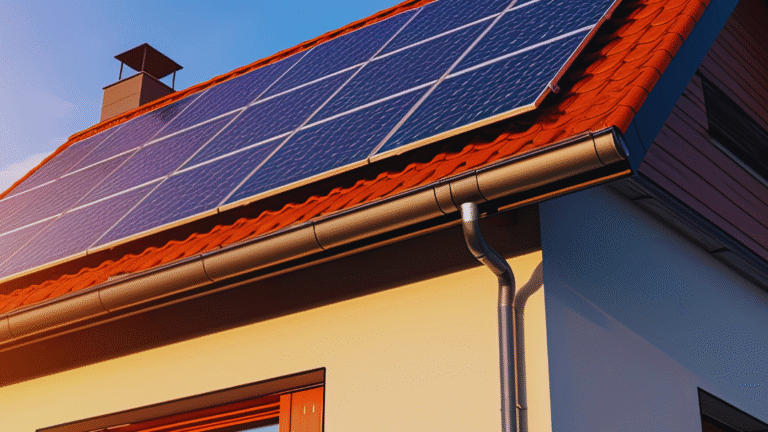
Installing solar panels allows homeowners to harness sunlight for electricity. It contributes to reduced reliance on fossil fuels and lowers electricity costs over time.
Energy Efficiency
Utilisiing energy-efficient appliances and lighting can decrease energy consumption. These products often have the Energy Star label, indicating they meet strict efficiency guidelines.
Electric Vehicles
Transitioning to electric vehicles (EVs) not only cuts fuel costs but also reduces greenhouse gas emissions. Charging these vehicles with renewable energy further maximises their environmental benefits.
Outages and Backup Solutions
Utilising battery storage systems can provide backup power during outages. These systems store energy generated from renewable sources, ensuring a continuous power supply when needed.
Clean Energy Programs
Many utility companies offer programs to support the adoption of clean energy. These may include rebates for solar panel installation or incentives for energy-efficient upgrades.
Using a combination of these solutions promotes sustainability and can lead to substantial long-term savings for homeowners.