Many people want to maintain a clean home without harming the environment. Eco-friendly home cleaning offers simple, effective methods using natural ingredients and sustainable practices. It reduces exposure to harsh chemicals while protecting indoor air quality and reducing waste.
This guide breaks down practical steps and easy swaps anyone can make to shift toward greener cleaning habits. It focuses on accessible products and techniques that fit everyday routines. By adopting these strategies, readers can create a safer living space and contribute to environmental well-being.
Why Choose Eco-Friendly Home Cleaning
Switching to eco-friendly cleaning affects health and the environment directly. It reduces toxic exposures inside homes and decreases the negative effects of chemical runoff outdoors. These benefits are especially crucial for vulnerable groups and efforts to improve air quality.
Health Benefits for Your Household
Eco-friendly cleaning uses ingredients like vinegar, baking soda, and plant-based soaps that are less likely to cause allergic reactions or irritate skin and eyes. They typically avoid harsh chemicals found in conventional cleaning products, which can trigger asthma attacks or worsen respiratory conditions.
Using natural products can reduce exposure to synthetic fragrances and toxins. This creates a safer environment, especially for children, the elderly, and those with chemical sensitivities. Cleaner air contributes to better overall indoor air quality and fewer health complaints.
Environmental Impact of Conventional Cleaning Products
Many conventional cleaning products contain chemicals that persist in water and soil, harming aquatic life and disrupting ecosystems. When washed down drains, substances like phosphates and triclosan can cause algae overgrowth and contaminate drinking water sources.
Eco-friendly alternatives break down more quickly and contain fewer harmful substances. This reduces their environmental footprint. Choosing these products supports sustainability by minimising pollution and conserving biodiversity.
Understanding Volatile Organic Compounds (VOCs) and Indoor Air Pollution
VOCs are chemicals released from many conventional cleaning products. They contribute significantly to indoor air pollution and can reach concentrations higher indoors than outdoors. Prolonged exposure to VOCs may lead to headaches, dizziness, and long-term respiratory issues.
Eco-friendly cleaners often have low or no VOCs, improving indoor air quality. Using them helps prevent the buildup of harmful gases, making living spaces healthier. Monitoring product labels for VOC content is a practical step toward reducing indoor pollution.
Essential Ingredients and Tools for Natural Cleaning
Effective natural cleaning relies on a handful of key ingredients and the right tools to apply them efficiently. These components replace harsh chemicals while maintaining strong cleaning power and safety for home use.
Natural Alternatives to Harsh Chemicals
Common natural ingredients like baking soda, white vinegar, and lemon juice serve multiple cleaning purposes. Baking soda works as a gentle abrasive to lift stains and neutralize odors. White vinegar effectively dissolves mineral deposits and disinfects surfaces. Lemon juice offers natural bleaching and antibacterial properties.
Castile soap is a plant-based cleaner ideal for general washing and degreasing. Additionally, essential oils such as tea tree oil provide antimicrobial effects and pleasant scents. Hydrogen peroxide is useful for whitening surfaces and sanitising without toxic residues. These ingredients are non-toxic, biodegradable, and safe for most household surfaces.
Building Your Eco-Friendly Cleaning Kit
A practical eco-friendly cleaning kit includes reusable spray bottles and containers to minimise plastic waste. Spray bottles can be filled with homemade solutions using vinegar, water, and essential oils or hydrogen peroxide mixtures.
Stocking a variety of natural ingredients enables tackling different cleaning tasks without harsh chemicals. Include baking soda for scrubbing, castile soap for grease, and lemon juice for brightening. Label each container clearly to avoid misuse. A toolkit with microfiber cloths and natural sponges complements the ingredients, improving cleaning efficiency while being washable and reusable.
How to Start Your Green Cleaning Routine
Starting a green cleaning routine involves choosing safer products, preparing effective natural solutions, and gradually shifting habits. Focusing on these areas helps reduce exposure to harsh chemicals and promotes sustainability.
Replacing Conventional Products with Eco Alternatives
He can begin by swapping out common cleaning supplies for greener options. Look for products labelled biodegradable, non-toxic, and phosphate-free. Popular eco alternatives include vinegar-based all-purpose cleaners, baking soda scrubs, and plant-derived detergents.
Check ingredient lists to avoid products with ammonia, chlorine, or synthetic fragrances. Some brands certify their green credentials with seals such as EPA Safer Choice or Green Seal.
Using fewer products that serve multiple purposes reduces waste and chemical load. For instance, a single all-purpose cleaner can replace several specialised cleaners.
Making Simple DIY All-Purpose Cleaners
She might find making DIY cleaners cost-effective and customizable. A basic recipe combines equal parts white vinegar and water, with a few drops of essential oil for scent.
Baking soda mixed with water forms a gentle abrasive paste, useful for scrubbing surfaces without damaging finishes. Lemon juice can be added for additional grease-cutting power and a fresh smell.
These natural cleaning solutions are easy to prepare, store safely, and avoid toxic residues. However, vinegar should not be used on stone surfaces like granite or marble, as it can cause damage.
Transition Tips for Beginners
They should start by replacing one product at a time to avoid overwhelming changes. Introducing green cleaning routines gradually helps build lasting habits.
Labelling homemade cleaners clearly and keeping them in spray bottles ensures convenience and safety. It is helpful to test DIY cleaners on small areas first.
Tracking results and identifying which products or methods work best encourages consistency. Combining green cleaning with regular maintenance can reduce the need for harsher chemicals later.
Sustainable Practices and Packaging Choices
Using less plastic and opting for safer ingredients protects both the environment and health. Selecting products in recyclable or sustainable packaging reduces landfill waste. Proper storage limits chemical degradation and ensures safer usage.
Minimising Waste and Plastic Use
Reducing plastic waste begins with choosing concentrated cleaning formulas that require less packaging and water. Buying in bulk or refilling reusable containers lowers single-use plastic consumption.
Switching to homemade cleaners using ingredients like vinegar, baking soda, and lemon juice also cuts down plastic use. These ingredients are widely available and allow for customizable quantities, preventing excess.
Avoid disposable wipes or sprays packaged in plastic. Instead, use washable microfiber cloths or sponges, which last longer and maintain cleaning efficiency without creating waste.
Choosing Sustainable or Recyclable Packaging
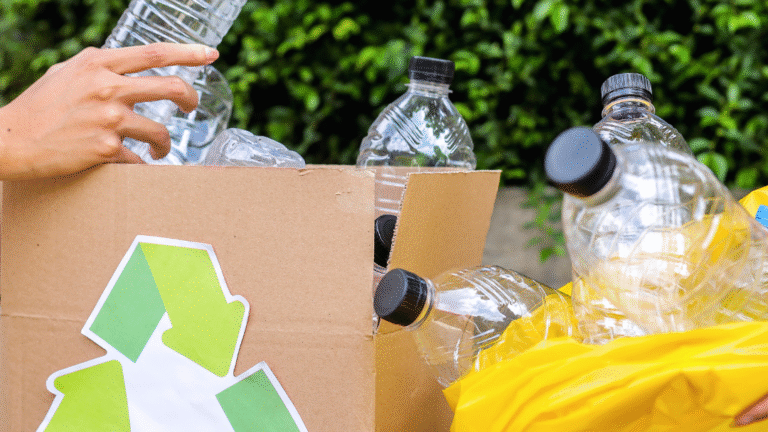
Prioritise products housed in recyclable materials such as glass, aluminium, or certain plastics labelled #1 (PET) and #2 (HDPE). These are commonly accepted in curbside recycling programs.
Sustainable packaging options include biodegradable containers made from plant-based materials or post-consumer recycled content. Brands using minimal packaging or refill pouches help lower the environmental impact.
Avoid containers with mixed materials that complicate recycling. Clear labelling on packaging about recyclability supports informed choices. Packaging should also avoid chemical coatings that interfere with recycling processes.
Safer Product Storage and Ingredient Selection
Storing cleaning products in cool, dry places extends shelf life and prevents harmful chemical breakdown. Proper sealing prevents spills and reduces exposure to substances like ammonia, chlorine, and phosphates.
Choosing products free of toxic ingredients such as phthalates, phosphates, ammonia, and chlorine lowers health risks and environmental harm. These chemicals can contribute to water pollution and respiratory irritation.
Look for certifications or ingredient transparency to identify safer options. Natural or plant-based cleaners tend to avoid these harsh chemicals, making them better choices for homes and water systems.