
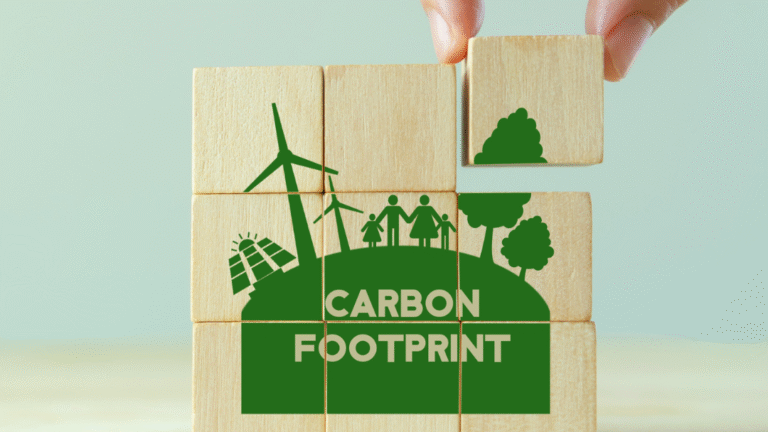
Reducing a carbon footprint at home involves practical changes that lower energy use and waste production. Many simple adjustments can make a measurable difference without major lifestyle disruptions.
Using energy-efficient appliances, minimising water waste, and reducing single-use plastics are key steps to cutting household emissions. These actions contribute directly to lowering overall carbon output in daily life.
By focusing on routines such as managing heating and cooling, improving insulation, and choosing sustainable products, individuals can effectively reduce their environmental impact at home. This approach balances convenience with responsibility.
Understanding and Measuring Your Carbon Footprint
Measuring a home’s carbon emissions is essential to identify areas where reductions are possible. Key concepts include the nature of a carbon footprint, the main sources of emissions in residential settings, and how those emissions contribute to global warming and climate change.
What Is a Carbon Footprint?
A carbon footprint quantifies the total greenhouse gas emissions caused directly or indirectly by an individual, household, or organisation. It includes carbon dioxide (CO2), methane (CH4), and nitrous oxide (N2O), measured in equivalent units of CO2.
This footprint reflects emissions from energy use, transportation, food consumption, and waste. Tools like carbon footprint calculators help estimate these emissions by analysing daily activities and resource usage.
Understanding this footprint provides a clear metric to target specific behaviours or systems for improvement. It translates abstract environmental impacts into measurable quantities.
Major Sources of Home Carbon Emissions
Most home carbon emissions come from electricity and heating fuels like natural gas, oil, or coal. Residential energy use for heating, cooling, lighting, and appliances is typically the largest single contributor.
Other significant sources include water heating and cooking. Transportation, especially personal vehicles, adds to a household’s total footprint even though it might be accounted separately in calculators.
Waste generation and the disposal process also release greenhouse gases, particularly methane from landfills. Addressing these key sectors can substantially reduce a home’s overall emissions.
The Connection to Global Warming and Climate Change
Carbon emissions contribute directly to global warming by trapping heat in the atmosphere through the greenhouse effect. This warming leads to altered climate patterns, increasing the frequency of extreme weather events.
Rising temperatures disrupt ecosystems, water supplies, and agriculture. The carbon footprint of a home reflects its role in this larger system of climate change, implicating residents in either contributing to or mitigating these effects.
Reducing emissions at home lowers the demand for fossil fuels, which slows the release of greenhouse gases linked to global warming.
Energy Efficiency and Renewable Solutions
Reducing energy consumption and shifting to renewable sources are essential steps for lowering a home’s carbon footprint. Property owners can evaluate energy use, upgrade appliances, and improve insulation to enhance overall efficiency and reduce reliance on fossil fuels.
Conducting a Home Energy Audit
A home energy audit identifies where energy is wasted and suggests targeted improvements. Professionals or homeowners themselves can use tools to check air leaks, insulation levels, and inefficient appliances.
The audit highlights areas like drafty windows, poor insulation, or outdated heating systems that increase energy bills. It may include blower door tests and thermal imaging to pinpoint heat loss.
This process guides energy-efficient home improvements by showing where to insulate or seal leaks. It also helps prioritise investments in upgrades such as replacing a tankless water heater or installing a heat pump.
Switching to Renewable Energy and Green Providers
Installing solar panels is one of the most direct ways to reduce fossil fuel dependency at home. Solar energy systems convert sunlight into electricity, lowering grid energy consumption and utility costs.
Homeowners can also choose green energy providers supplying electricity from wind, hydro, or solar power. This switch supports the renewable energy market without altering physical infrastructure.
Many regions offer incentives or tax credits for renewable installations or green energy plans. Utilising these options can reduce upfront expenses and speed savings on energy bills.
Adopting Energy-Efficient Appliances and LED Lighting
Energy Star-certified appliances consume less electricity and water while performing efficiently. Replacing old refrigerators, washing machines, and ovens with Energy Star models significantly reduces energy consumption.
Switching to LED lighting also cuts power use by about 75% compared to incandescent bulbs. LEDs last longer and emit less heat, reducing cooling needs.
Together, these appliance upgrades lower household energy demand. Prioritising efficient devices and lighting is a practical step that frees budget for other energy efficiency measures.
Improving Insulation and Smart Temperature Control
Proper insulation minimises heat loss in colder months and heat gain during summer. Adding or enhancing insulation in walls, attics, and floors can cut energy consumption for heating and cooling by up to 30%.
Smart thermostats optimise temperature settings by learning occupants’ routines and adjusting heating or cooling accordingly. This reduces unnecessary energy use while maintaining comfort.
Upgrading insulation combined with smart thermostats ensures better energy management. It results in smaller energy bills and a reduced carbon footprint due to efficient temperature control.
Sustainable Lifestyle, Transportation, and Waste Reduction
Reducing environmental impact at home involves targeted actions in waste management, food choices, transportation, and water use. Efficient strategies in these areas can lower carbon emissions and promote a more sustainable lifestyle.
Reducing Carbon Emissions from Household Waste
Proper waste management starts with reducing and segregating waste. Recycling materials like paper, glass, and plastic reduces landfill use and cuts carbon emissions. Composting food scraps returns nutrients to soil and reduces methane emissions from organic waste decomposing in landfills.
Using reusable alternatives such as cloth bags, glass containers, and metal straws significantly cuts down on single-use plastic waste. Avoiding products with excessive packaging also minimises waste generation. Regularly sorting trash ensures recyclable items don’t end up in the landfill.
Adopting Sustainable Food and Kitchen Habits
A plant-based diet reduces carbon emissions linked to livestock farming. Prioritising seasonal produce lowers emissions related to transportation and storage. Buying locally sourced food cuts down on fossil fuels used for long-haul shipping.
Reducing food waste by planning meals and storing food properly is critical. Using energy-efficient appliances and cooking methods lowers household energy consumption. Avoiding bottled water and opting for tap filtered systems can minimise plastic waste and its carbon footprint.
Eco-Friendly Transportation and Commuting Options
Switching to an electric vehicle (EV) or hybrid reduces emissions from fossil fuel-powered cars. When possible, using public transportation or carpooling decreases the number of vehicles on roads and limits traffic emissions.
Biking or walking for short distances contributes zero carbon emissions and improves health. Employing sustainable transport options, such as buses and trains, supports lower overall emissions. Planning trips to combine errands and reduce the number of journeys can also help.
Lowering Water Usage and Enhancing Sustainability
Reducing water usage saves the energy required for water treatment and heating. Installing low-flow faucets and showerheads decreases water consumption without sacrificing comfort.
Collecting rainwater for garden use reduces reliance on treated water supplies. Fixing leaks promptly prevents unnecessary water waste. Using drought-tolerant plants in landscaping minimises irrigation needs, supporting a sustainable water footprint.
Offsetting Emissions and Enhancing Green Practices
Reducing carbon footprints involves active measures beyond consumption habits. It includes investing in carbon offset projects, improving home environments for sustainability, and involving all household members in green practices.
Voluntary Carbon Offsetting and Projects
Voluntary carbon offsetting allows individuals to compensate for emissions by funding projects that reduce greenhouse gas emissions elsewhere. Common projects include reforestation, renewable energy installations, and methane capture programs.
They can purchase carbon offsets through verified platforms, ensuring transparency and effectiveness. By supporting tree planting initiatives or clean energy developments, households balance their unavoidable emissions, contributing to a broader environmental impact.
Greening Your Home and Outdoor Spaces
Implementing green practices at home involves energy efficiency upgrades, like LED lighting and smart thermostats, which cut carbon output. Using eco-friendly insulation materials and sealing drafts further reduces heating and cooling demands.
Outdoors, planting trees and native plants promotes carbon absorption and enhances local biodiversity. Rain gardens and permeable surfaces reduce runoff and encourage groundwater recharge, creating an environmentally supportive outdoor area that lowers carbon footprints.
Engaging Household Members in Sustainability
Sustainability at home requires collective effort. Educating each member about energy conservation and waste reduction fosters consistent habits that lower carbon emissions.
Simple actions include coordinated recycling, reducing single-use plastics, and mindful water use. Encouraging everyone to monitor energy use and support the home’s green initiatives creates a unified approach to minimising environmental impact.