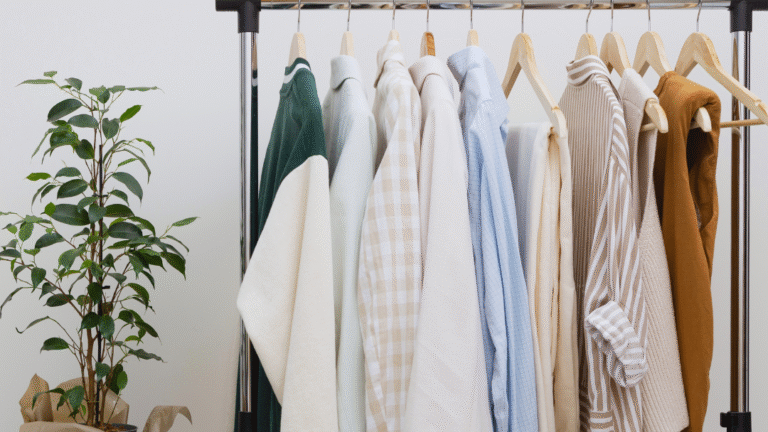
Building an eco-friendly wardrobe is not only beneficial for the environment but also a great way to express personal style. To create a sustainable closet, one should focus on selecting high-quality, ethically sourced garments that minimise environmental impact. Embracing practices like thrifting, upcycling, and supporting sustainable brands can significantly reduce waste and promote a healthier planet.
Choosing natural fabrics such as organic cotton, linen, or hemp contributes to a lower ecological footprint. Additionally, a thoughtful approach to consumption, such as buying timeless pieces rather than fast fashion, encourages long-term use and reduces the cycle of waste. This strategy not only conserves resources but also paves the way for a more responsible fashion industry.
By prioritising eco-conscious choices in clothing, individuals can align their wardrobe with their values. They can enjoy fashion while actively participating in the movement towards sustainability. As awareness of environmental issues grows, adopting an eco-friendly wardrobe becomes a meaningful statement about one’s commitment to the planet.
Understanding Eco-Friendly Fashion
Eco-friendly fashion focuses on minimising environmental impact while promoting ethical production and consumption. It seeks to create a sustainable wardrobe that aligns with these principles, addressing issues related to fast fashion and sustainable practices.
The Impact of Fast Fashion
Fast fashion significantly contributes to environmental degradation. It encourages rapid production cycles, leading to increased waste and resource depletion. The industry is responsible for approximately 10% of global carbon emissions.
Key effects include:
- Massive Waste: Tons of textile waste ends up in landfills each year.
- Resource Intensive: Fast fashion uses large quantities of water and energy during production.
- Pollution: The dyeing and finishing processes release harmful chemicals into waterways.
Shifting away from fast fashion can help reduce one’s carbon footprint and promote more sustainable consumption patterns.
What Is Sustainable Fashion?
Sustainable fashion aims to create clothing in environmentally friendly ways. It emphasises quality over quantity, using ethically sourced materials and promoting fair labor practices.
Key components include:
- Sustainable Materials: Clothing made from organic cotton, Tencel, and recycled materials.
- Ethical Production: Fair wages and safe working conditions for workers.
- Longevity: Timeless design encourages long-term use, reducing overall consumption.
Sustainable fashion not only supports environmental sustainability but also nurtures social responsibility, creating a balance between industry needs and ecological preservation.
Building Your Eco-Friendly Wardrobe
Creating an eco-friendly wardrobe involves making thoughtful choices about materials, styles, and sources. Prioritising sustainability leads to a more responsible and stylish collection of clothing.
Choosing Sustainable Materials
Selecting clothing made from sustainable materials is crucial. Organic cotton is a popular choice due to its environmentally friendly farming practices, which avoid synthetic pesticides and fertilisers. Other materials to consider include:
- Tencel: Made from sustainably sourced wood pulp, known for its softness and biodegradability.
- Hemp: Requires minimal water and no pesticides, making it a strong and sustainable option.
- Recycled fabrics: These reduce waste by repurposing materials that would otherwise end up in landfills.
When shopping, look for certifications like Global Organic Textile Standard (GOTS) or Fair Trade to ensure a commitment to sustainable practices.
Investing in Timeless Pieces
Building an eco-friendly wardrobe means focusing on quality over quantity. Timeless pieces, such as a classic trench coat or a well-fitted pair of jeans, offer versatility and longevity. These items transcend trends and can be worn in various settings.
Choosing well-made clothing can reduce the need for frequent replacements. Invest in durable fabrics and designs that provide a good fit. These garments can last for years, minimising environmental impact. Consider the following:
- Neutral colors: These allow for easy mixing and matching.
- Quality tailoring: Well-fitted clothing enhances appearance and comfort.
By curating a collection of timeless pieces, individuals can maintain a sustainable wardrobe while saving money over time.
Incorporating Second-Hand Clothes
Thrift stores and online resale platforms are excellent sources for second-hand clothes. Shopping secondhand significantly reduces environmental impact by extending the lifecycle of garments. This practice also often results in unique finds that add character to a wardrobe.
When exploring thrift stores, consider these tips:
- Inspect quality: Ensure items are in good condition without major defects.
- Know your sizes: Sizes can vary significantly between brands and decades.
Supporting second-hand clothing not only promotes sustainability but can also lead to significant savings.
Looking for Sustainable Brands
Many brands are dedicated to sustainable practices, making it easier for eco-conscious shoppers. Researching and supporting these labels can significantly impact the environment. Look for brands that emphasise transparency in their supply chains and prioritise ethical labor practices.
Some sustainable brands offer innovations such as:
- Bio-based fabrics: These are derived from renewable resources.
- Circular fashion: Brands that encourage recycling and composting of apparel.
Connecting with these brands, whether through social media or local boutiques, helps promote widespread sustainable fashion practices. Always check for certifications and their commitment to social responsibility.
Maintenance and Care
Proper maintenance and care play a crucial role in extending the lifespan of an eco-friendly wardrobe. By being mindful of how clothing is cared for, individuals can significantly reduce waste while maintaining style and function.
Caring for Sustainable Fabrics
Sustainable fabrics such as organic cotton, Tencel, and hemp require specific washing and handling techniques. To maintain their quality, it is advisable to:
- Wash in cold water: This conserves energy and prevents shrinking or fading.
- Avoid harsh detergents: Choose eco-friendly options that are free from synthetics and chemicals.
- Air dry: Whenever possible, hang clothes to dry rather than using a dryer.
Taking care during storage is also important. Items should be stored in a cool, dry place to prevent damage from humidity or pests. They should be folded or hung properly to maintain shape, especially for knit fabrics.
Repair, Recycle, and Upcycle
Repairing clothing is a valuable skill that promotes sustainability. Simple tasks such as sewing buttons, patching holes, or fixing seams can extend the life of an item significantly.
In addition to repair, recycling and upcycling are beneficial. When clothing can no longer be worn, consider:
- Donating: Textiles in good condition can find new homes.
- Recycling: Many local programs allow for textile recycling, turning old fabric into new products.
- Upcycling: This involves creatively repurposing items; for example, turning an old T-shirt into a tote bag or using worn-out sneakers for crafts.
Such practices contribute to a circular fashion economy, reducing waste in landfills.
Adopting a Sustainable Mindset
Building an eco-friendly wardrobe requires a shift in mindset. This involves embracing personal style, fostering creativity, and understanding the connection between confidence and sustainable fashion choices.
Embracing Personal Style and Creativity
Adopting a sustainable wardrobe starts with recognising one’s unique style. Individuals can explore various options, such as vintage clothing, upcycled items, and pieces made from recycled materials. By incorporating these elements, one can create a personalised wardrobe that reflects individual tastes while being environmentally conscious.
Creativity plays a key role in sustainable fashion. Mixing and matching different pieces, layering outfits, and personalising attire with DIY modifications can enhance style. This approach not only reduces waste but also encourages a deeper connection with one’s clothing. Thrift shopping and exchanging items with friends further foster a creative spirit while promoting sustainability.
The Role of Confidence in Eco-Friendly Fashion
Confidence significantly influences fashion choices, especially in embracing eco-friendly options. When individuals feel good about what they wear, they are more likely to experiment with their style. A confident approach to clothing choices enables one to actively showcase unique pieces, including those made from sustainable resources.
Wearing eco-friendly fashion often shifts perceptions about style. As individuals gain confidence, they contribute to changing societal views on what is considered fashionable. By proudly wearing sustainable attire, they inspire others to consider eco-friendly options. This ripple effect promotes overall awareness and acceptance of sustainable fashion, creating a community that values both style and environmental responsibility.