
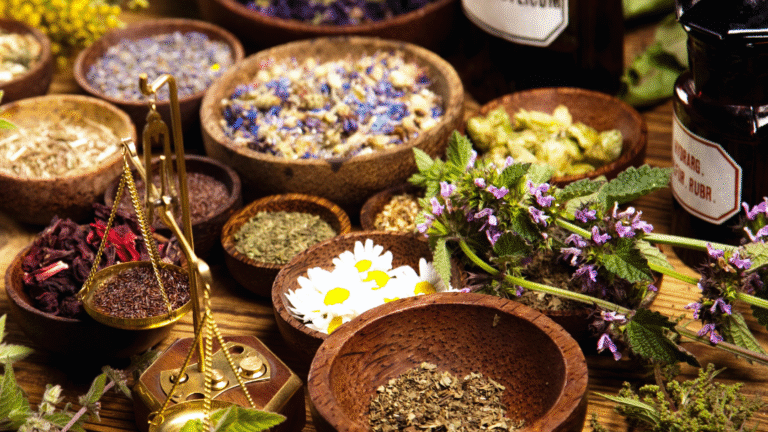
Many people want a fresh-smelling home without using chemical sprays. Homemade natural air fresheners are simple to create, using common ingredients like essential oils, baking soda, and citrus peels.
The most effective natural air fresheners combine these ingredients to neutralise odours and release pleasant scents safely. These options not only avoid synthetic fragrances but also allow customisation of scents to suit personal preferences.
Making your own air fresheners is cost-effective and environmentally friendly. With a few easy steps, anyone can refresh their space naturally and safely.
Why Choose Homemade Natural Air Fresheners
Homemade natural air fresheners provide control over ingredients, offering cleaner air without harsh chemicals. They reduce exposure to potentially harmful substances found in many commercial products. Additionally, these air fresheners support eco-friendly habits by minimising waste and using renewable materials.
Benefits of Natural Ingredients
Natural air fresheners use essential oils, herbs, and other plant-based components, which are less likely to cause allergic reactions or respiratory issues compared to synthetic fragrances. Essential oils like lavender, eucalyptus, and lemon not only add scent but can also have mild antibacterial properties.
These ingredients are biodegradable and non-toxic, making homemade air fresheners safer for children, pets, and sensitive individuals. The ability to customise scents also allows people to avoid irritants often found in commercial options.
Limitations of Commercial Air Fresheners
Commercial air fresheners often contain volatile organic compounds (VOCs), artificial fragrances, and preservatives, which can degrade indoor air quality. Prolonged exposure may trigger headaches, allergies, or worsen asthma symptoms.
Many commercial products mask odours temporarily instead of neutralising them. They also frequently rely on aerosol sprays or plastic containers, which add to environmental waste. Some labels use vague terms like “fragrance” that obscure the true chemical content.
Sustainability and Eco-Friendly Practices
Homemade air fresheners often use recyclable or reusable containers, reducing plastic waste. Ingredients like baking soda, vinegar, and essential oils are renewable and locally sourced, lowering carbon footprints.
Making air fresheners at home avoids excess packaging common in store-bought products. It encourages mindful consumption, as people can create only the amount needed. This approach aligns with environmentally responsible living and supports waste reduction efforts.
Essential Ingredients and Tools
Creating natural air fresheners requires a few key ingredients and tools that make the process efficient and customizable. The right scents, natural additives, and liquids help craft effective, fresh aromas suited to various preferences.
Essential Oils and Combinations
Essential oils are the foundation of most natural air fresheners due to their strong, pure fragrances. Popular choices include mint and rosemary, which provide refreshing, clean scents, and cinnamon essential oil for a warm, spicy note.
Users often blend oils to customise their air freshener’s aroma. Common pairs are clove with orange, or eucalyptus with peppermint for invigorating combinations.
Essential oils should be 100% pure and preferably organic for the best scent and safety. They are usually added in drops, depending on the desired strength.
Herbs, Spices, and Other Scent Sources
Natural herbs and spices add depth and variety to air fresheners. Cinnamon sticks, cloves, and rosemary sprigs work well due to their strong, lasting aromas.
These ingredients can be used whole or crushed to release more scent. For example, seeds or bark pieces often intensify the fragrance.
Users can combine several herbs and spices to create customizable, layered scents that last longer than essential oils alone.
Carrier Liquids and Binders
Carrier liquids dilute essential oils and help disperse scents effectively. Common choices include water, vodka, or witch hazel. Vodka and witch hazel act as mild preservatives and help emulsify oils.
Water alone may cause oils to separate, so frequent shaking is necessary to mix before use.
For gel-based air fresheners, ingredients like agar-agar or cornstarch serve as binders to solidify the mixture, slowly releasing scents over time. This offers an alternative delivery method beyond sprays.
Popular DIY Natural Air Freshener Methods
Effective homemade natural air fresheners use simple ingredients and easy techniques that suit different needs. These methods include sprays for quick use, baking soda blends to neutralise odours, reed diffusers for continuous scent, and simmer pots or potpourri for a warm, inviting aroma.
DIY Air Freshener Sprays
DIY air freshener sprays combine water, rubbing alcohol or witch hazel, and essential oils to create an instant, natural scent boost. Essential oils like lavender, lemon, eucalyptus, or peppermint are common choices for their strong but pleasant aromas.
To make a spray, mix 1 cup of distilled water with 1/4 cup of rubbing alcohol and 20-30 drops of essential oil. Shake well before each use. Sprays can be applied to fabrics, curtains, or room air and dry quickly without residue.
This method is flexible; users can customise scents based on preference or seasonal factors. It offers a cost-effective and chemical-free alternative to store-bought sprays.
Baking Soda Air Freshener
Baking soda absorbs odours rather than masking them, making it a natural deodoriser. To create a baking soda air freshener, fill a small jar or bowl with baking soda and add 10-15 drops of essential oil for fragrance.
Stir the mixture occasionally to release the scent. For placement, this air freshener works well in refrigerators, closets, shoes, or bathrooms where stale or musty odours occur.
Many homemade air freshener recipes incorporate baking soda due to its low cost, availability, and effectiveness in neutralising odours without chemicals.
Homemade Reed Diffuser
A homemade reed diffuser uses reeds, a carrier oil, and essential oils to release scent steadily over time. Common carrier oils include almond, fractionated coconut, or mineral oil.
To prepare, combine 1/4 cup of carrier oil with 25-30 drops of essential oil in a narrow-necked bottle. Insert 5-7 reeds and flip them every few days to refresh the scent.
This setup offers a hands-off, long-lasting natural scent solution. It is ideal for continuous freshening of living rooms, offices, or bedrooms without spraying or using electric devices.
Natural Potpourri and Simmer Pots
Natural potpourri mixes dried flowers, herbs, citrus peels, and spices to emit fragrance. Common ingredients include dried rose petals, cinnamon sticks, cloves, and orange peel. It can be refreshed by adding essential oils.
Simmer pots release aroma by heating water with similar natural elements on a stove. Users simmer slices of lemon, cinnamon sticks, and cloves in water for up to an hour.
Both methods offer seasonal customisation and add aesthetic value to spaces. They rely on natural ingredients found in most kitchens and are ideal for cosy, ambient scenting.
Tips for Customising and Maintaining Your Air Fresheners
Effective customisation and proper upkeep enhance the lifespan and appeal of homemade air fresheners. Balancing scent concentration, choosing appropriate essential oil blends, and placing the fresheners strategically are crucial steps for the best results.
Adjusting Fragrance Strength
To control fragrance intensity, start by varying the amount of essential oils. Adding 5-10 drops per 100 ml of carrier liquid offers a moderate scent; increase or decrease gradually based on preference.
For stronger scents, use oils with robust profiles like eucalyptus or peppermint. For lighter aromas, try lavender or chamomile oils. Avoid over-saturating the mixture, as overpowering scents can cause headaches or irritation.
Replenish the oils regularly. After about two weeks, add a few drops to refresh the aroma. This simple maintenance keeps the scent noticeable without needing to remake the whole batch.
Blending and Seasonal Scents
Custom blends can create unique atmospheric moods. Mixing citrus oils like orange or lemon with herbs such as rosemary or thyme offers a bright, clean scent.
For seasonal air fresheners, use essential oils that match the time of year. In the fall, combine cinnamon and clove. During spring, try floral blends with rose and geranium oils.
Experiment with combinations, but limit to 3-4 oils per blend to avoid scent clashes. Document successful mixes to recreate favourites.
Safe Usage and Placement Tips
Place air fresheners away from direct sunlight and heat sources to prevent essential oil degradation. Locations like closets, bathrooms, and near air vents work well.
Keep fresheners out of reach of pets and children to avoid accidental ingestion or skin contact. Essential oils can be toxic if misused.
Use glass or ceramic containers instead of plastic, which may react with oils. Changing out wick sticks or cotton balls every 1-2 weeks ensures steady scent release and prevents mould buildup.