Upcycling old furniture transforms worn pieces into unique, functional items that fit modern spaces without the need to buy new. It involves cleaning, repairing, sanding, painting, or reimagining the item’s purpose. The key is to identify what makes the piece special and highlight those features through creative yet practical updates.
Many people have furniture with sentimental or aesthetic value that can be revived, saving money and reducing waste. By using simple tools and materials, they can breathe new life into these items and create something personal and valuable.
Understanding the basics of materials, finishes, and techniques makes the process accessible to anyone willing to try. This article walks through steps and ideas designed to turn old furniture into new treasures efficiently and effectively.
Why Upcycling Old Furniture Matters
Upcycling old furniture reduces waste, saves money, and brings a unique style to living spaces. It supports environmental goals while encouraging creativity in DIY projects. Using these approaches can foster sustainable habits and enhance home decor with personalised pieces.
Environmental Benefits of Upcycling
Upcycling old furniture helps divert items from landfills, significantly reducing landfill waste. It lowers the demand for new resources by reusing existing materials, which decreases the environmental impact of manufacturing processes.
This practice also reduces energy consumption and carbon emissions compared to producing new furniture. Furniture upcycling conserves raw materials like wood, metal, and fabric, supporting conservation efforts.
By extending the life cycle of furniture, upcycling contributes to less pollution and waste, aligning closely with sustainability principles.
Financial and Creative Advantages
Upcycling old furniture offers a budget-friendly alternative to buying new items. It allows individuals to refresh or repair pieces at a lower cost, often just requiring basic tools and paint.
Beyond saving money, furniture upcycling encourages creativity. People can customise designs, colours, and finishes to match personal tastes or trends. This process turns ordinary furniture into one-of-a-kind, upcycled furniture unlike mass-produced options.
DIY projects involving upcycling provide a rewarding hands-on experience. They build skills in woodworking, painting, and design while delivering satisfying results tailored to specific home decor needs.
Sustainability in Home Decor
Using upcycled furniture promotes sustainability by incorporating eco-friendly choices into interior design. Unlike new furniture, upcycled pieces reduce demand for resource-intensive production.
Sustainable home decor benefits from the durability of well-maintained old furniture. Quality materials from previous decades often surpass many modern mass-produced items in longevity.
Incorporating upcycled furniture creates a thoughtful and individualised living environment. It encourages conscious consumerism and supports an ongoing commitment to reducing environmental footprints in home styling.
Essential Tools and Materials for Furniture Upcycling
Upcycling old furniture requires specific supplies that ensure durability and aesthetic appeal. Understanding which tools and materials work best helps create projects that look professional and last longer.
Selecting the Right Supplies
Choosing quality materials is key to upcycling success. For refinishing, chalk paint is popular due to its matte finish and minimal prep needed. It adheres well to wood and requires less sanding.
Wood filler is essential to repair dents, cracks, or holes. Select a filler that matches the wood colour or can be painted over smoothly.
For decorative touches, decoupage materials allow users to add patterns or textures without complex skills. Adhesive glue and sealants are needed to secure and protect these additions.
Must-Have Tools for Successful Projects
Upcycling demands both hand tools and brushes designed for fine work. A variety of paintbrushes—including angled and flat tips—enable even application of paint and detail work.
Basic tools include sandpaper (medium to fine grit), a putty knife for applying wood filler, and screwdrivers or pliers for dismantling furniture. A small electric sander speeds up surface prep on larger pieces.
Having a clean workspace with proper ventilation protects both the project and the person working on it.
Using Paints, Fillers, and Decorative Techniques
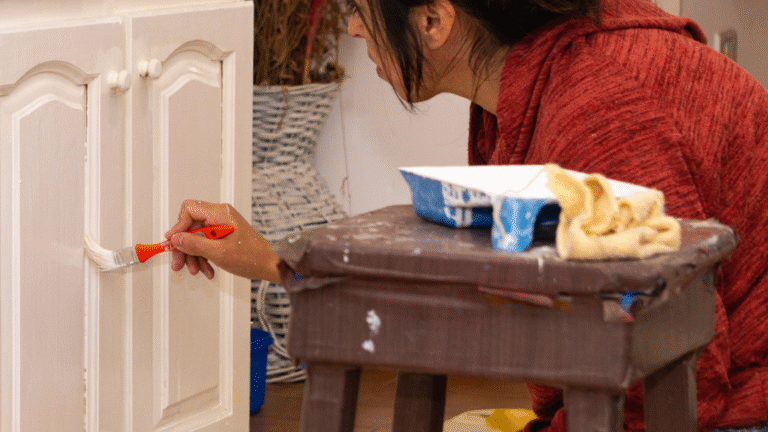
Applying chalk paint over bare or prepped wood provides an easy way to change the look without primer. Multiple thin coats yield a smoother finish than one thick coat.
Use wood filler to smooth imperfections before painting. Sand lightly after it dries to blend repairs in with the rest of the surface.
Decoupage is ideal for adding image details or patterns. After glueing paper or fabric to the surface, sealing with a clear coat protects the design and extends durability. These techniques combine to refresh old furniture into new treasures.
Step-by-Step Guide to Transforming Old Furniture
Locating quality pieces, preparing them properly, using creative techniques, and styling the finished product are essential steps in upcycling furniture. Attention to detail during each phase ensures a durable and visually appealing transformation.
Sourcing Quality Pieces from Thrift Stores and Flea Markets
Thrift stores and flea markets offer a variety of worn-out furniture perfect for upcycling. Look for solid wood construction and sturdy frames rather than pieces with severe structural damage. Inspect joints, drawers, and legs for stability.
Check for classic or unique designs that can be easily modernised. Avoid items with excessive mould, rot, or insect damage. Negotiating prices can help keep the budget low. Transport options should be considered before purchasing bulky furniture.
Preparing and Repairing Furniture
Begin by cleaning the piece thoroughly to remove dust, dirt, and old finishes. Use a mild detergent for surfaces and let it dry completely. Sanding is crucial to smooth rough edges and prepare the surface for paint or stain.
Repair damaged parts by tightening screws, filling cracks with wood filler, or reinforcing weak joints. Replace missing hardware with period-appropriate or modern pieces, depending on the desired look. Proper preparation ensures a smooth and lasting finish.
Creative Upcycling Techniques and Makeovers
Painting is the most popular upcycling method; chalk paint and milk paint offer matte textures and require minimal prep. Stencilling and decoupage add personalised designs. Distressing techniques create a vintage or shabby chic appearance.
Reupholstering seats or cushions with new fabric breathes new life into chairs and benches. Adding unexpected elements like stencils, wallpaper lining drawers, or decorative knobs can elevate simple furniture into statement pieces. Combining different finishes or textures enhances visual interest.
Styling Upcycled Furniture for Maximum Impact
Placement plays a key role in showcasing transformed furniture. Use pieces as focal points or functional accents in living rooms, bedrooms, or entryways. Pair upcycled furniture with modern or neutral decor to balance styles.
Consider grouping items by colour or theme for a cohesive look. Use lighting to highlight textures and detail work. Keeping the surrounding areas uncluttered draws attention to the new furniture’s unique character and craftsmanship.
Inspiring Upcycling Ideas and Projects
Upcycling old furniture can transform worn pieces into functional and stylish items. Techniques like painting, reupholstery, repurposing, and decorative personalisation offer specific ways to breathe new life into furniture.
Painted Accents and Chalk Paint Finishes
Using chalk paint is an effective method to create a matte, vintage look on furniture. It requires minimal surface preparation, making it easy to apply on old wood or laminate finishes.
For painted accents, focusing on edges, drawer fronts, or legs creates contrast and visual interest. Colours like muted blues, greens, and soft pastels are popular for a rustic aesthetic.
Sealing with wax or matte varnish protects the finish and adds durability. This approach allows pieces to retain character while gaining a fresh, updated appearance.
Reupholstery and Fabric Transformations
Replacing old fabric can dramatically enhance a chair, stool, or bench. Selecting durable materials suited to the furniture’s use is essential, such as canvas or tightly woven upholstery fabric.
Removing the original fabric often involves careful staple or tack removal to avoid damaging the frame. New padding may be added for comfort and shape restoration.
Patterns and textures in fabrics, like linen blends or subtle geometrics, accommodate various decor styles. This technique combines practical repair with aesthetic improvement.
Repurposing into Rustic Bookshelves and Unique Pieces
Old furniture parts can be transformed into rustic bookshelves, leveraging wood’s natural texture and imperfections. For example, drawer fronts can serve as shelf supports, or an old door can become a bookshelf back.
Staining or lightly sanding maintains a raw, organic feel, highlighting knots and grain. This adds authenticity to upcycled furniture fitted into casual or farmhouse interiors.
Beyond bookshelves, furniture can be converted into planters, storage benches, or wall-mounted display units. These projects emphasise function while preserving old materials.
Personalisation with Decoupage and Decorative Features
Decoupage applies paper or fabric cutouts onto surfaces with adhesive, sealed by layers of varnish. This method allows detailed patterns or images to create a customised look.
Decorative techniques also include stencilling, adding metal accents, or attaching vintage hardware. These elements add character and distinguish upcycled furniture from store-bought items.
Focusing on small sections like drawer fronts, tabletops, or chair backs ensures a balanced design. Personalisation enhances the uniqueness and appeal of each piece.