Smart home technology has revolutionised the way households manage their energy consumption. By integrating devices that communicate with each other, users can optimise their energy usage while maintaining comfort. Smart home tech not only streamlines energy management but also leads to significant savings on utility bills.
Automated systems allow for precise control of lighting, heating, and cooling. For instance, smart thermostats learn a household’s routine and adjust temperatures accordingly, ensuring that energy is not wasted when no one is home. This level of efficiency makes it easier for individuals to reduce their carbon footprint without sacrificing convenience. Modern heating solutions, such as an electric heating floor mat, can be seamlessly integrated into these automated systems, providing comfortable warmth while optimising energy usage.
Advanced smart home devices, such as energy-monitoring plugs and smart appliances, provide real-time data on energy consumption patterns. This information empowers users to make informed decisions that further enhance energy savings. With continued advancements in technology, the potential for energy efficiency in homes becomes even more promising.
The Role of Smart Home Technology in Energy Management
Smart home technology plays a crucial role in optimising energy consumption through efficient management solutions. Key components include smart thermostats, lighting, and appliances that work together to reduce waste and enhance energy efficiency.
Smart Thermostats and Energy Savings
Smart thermostats, like the Nest or Ecobee, enable precise temperature control. They learn user schedules and automatically adjust heating and cooling settings.
This feature leads to significant energy savings. For example, a smart thermostat can lower heating when no one is home, preventing unnecessary energy expenditure.
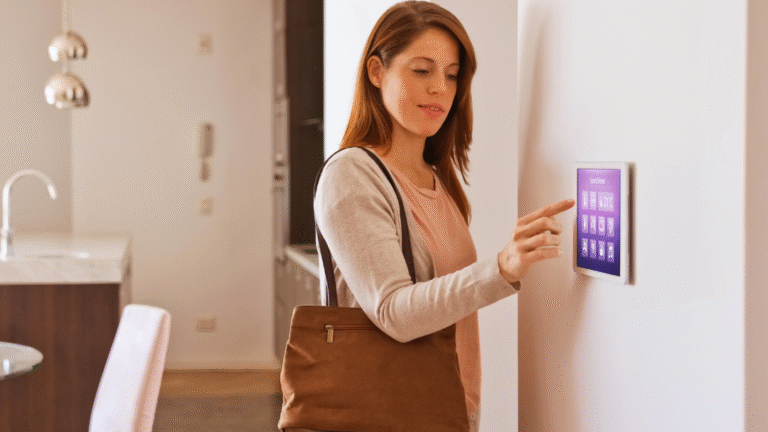
Users can also manage settings remotely via apps, ensuring a comfortable environment upon arrival while maximising energy efficiency throughout the day.
Smart Lighting Solutions
Smart lighting solutions use LED bulbs combined with automated controls to enhance energy management. Systems like Philips Hue allow users to program lighting schedules and even dim lights.
Using motion sensors, these systems can turn off lights in unoccupied rooms, further conserving energy.
The convenience of remote access and voice control also contributes to more mindful energy usage, as users can adjust settings on the go.
Integrating Smart Plugs and Appliances
Smart plugs provide users with control over regular appliances, allowing them to monitor energy use. By scheduling when devices turn on or off, users can avoid peak energy hours.
Many smart plugs offer energy consumption tracking, giving insights into which appliances consume the most power.
Devices like smart coffee makers or chargers can be programmed to operate only when needed, significantly reducing wasted power and optimising energy management.
Leveraging Home Services and Energy Management
Home services that integrate with smart technology enhance energy management. Services like EnergyHub and Sense allow for holistic monitoring of home energy usage.
These platforms provide real-time data to users, highlighting patterns and suggesting changes for improved efficiency.
Homeowners can analyse their energy consumption and make informed decisions about upgrades or replacements, such as investing in more efficient appliances.
Optimising Home Energy Use with Automated Devices
Automated devices play a crucial role in enhancing energy efficiency in homes. Their integration leads to streamlined energy management, ensuring that every device operates optimally. This section explores specific methods these technologies use to save energy.
Enhancing Efficiency with Smart Home Hubs
Smart home hubs act as central controllers for various automated devices. They connect lighting, heating, and cooling systems, allowing them to work in harmony.
For example, a hub can schedule heating to activate only when someone is home, reducing energy waste during the day. That said, smart controls work best when the home itself is well insulated.
If heat escapes easily through the loft, even the most optimised heating schedule can struggle to maintain efficiency. Those confused about what insulation their home needs or what it might cost, read the guide for a clear breakdown of the factors involved.
Once the insulation is in order, users can adjust settings through a smartphone app, ensuring comfort without unnecessary energy expenditure. Some hubs even anticipate user behavior using machine learning, optimising device performance based on routine patterns.
Energy Monitoring Through Smartphone Apps
Smartphone apps provide real-time insights into individual energy consumption. Through these apps, users can track how much energy each device uses throughout the day.
Alerts notify users of unusual spikes in usage, allowing them to identify and rectify issues promptly.
Most apps allow for remote control, ensuring devices are turned off when not in use. This proactive monitoring can lead to significant reductions in monthly energy bills, encouraging more mindful usage habits.
The Benefits of a Connected Home Product Ecosystem
A connected ecosystem of home products ensures seamless communication between devices. This interconnectivity allows for automated responses to environmental changes.
For instance, smart thermostats can adjust based on weather forecasts, enhancing energy conservation efforts.
Additionally, a family of brands creating compatible products simplifies installation and enhances user experience. When devices are designed to work together, setup is often streamlined, leading to quicker optimisation of energy use.
Renewable Energy Integration in Smart Homes
Integrating renewable energy sources into smart homes enhances energy efficiency and contributes to sustainability. This section discusses the synergy between solar panels and smart technologies, as well as the intelligent management of heating and hot water systems.
Solar Panels and Smart Home Synergy
Solar panels are a cornerstone of renewable energy in smart homes. They convert sunlight into electricity, providing a clean and sustainable power source.
Smart home systems optimise the use of solar energy by managing when and how electricity is consumed. For instance, they can prioritise key appliances during peak solar generation times, reducing reliance on grid electricity.
With features such as battery storage, excess energy can be stored for later use. This not only maximises self-consumption but also further decreases energy costs. Homeowners can monitor solar production and usage via user-friendly apps, providing insights into energy savings.
Smart Management of Heating and Hot Water
Efficient management of heating and hot water systems is crucial in smart homes. Technology allows users to adjust settings based on energy availability from renewable sources. Also, properly monitoring usage and scheduling system operation can optimize warmth while reducing unnecessary energy waste. For homeowners looking to improve efficiency, resources like this heating advice and guides can offer practical tips and step-by-step guidance on maintaining and adjusting heating systems effectively.
Smart thermostats can learn user preferences and adjust heating schedules automatically. This ensures that heating operates efficiently, particularly when combined with solar power. Users can program their systems to heat water during times of high solar energy production.
At the same time, homeowners should remember that smart controls only deliver savings when supported by properly serviced heating systems and a dependable fuel supply. Local service providers can bridge that gap by ensuring thermostats communicate correctly with boilers or furnaces, scheduling routine maintenance to preserve efficiency, and coordinating fuel deliveries to avoid unexpected downtime. For homeowners in the region, practical resources like bursawgasandoil.com outline how combining automatic delivery, cleaner biofuel options, and HVAC tune‑ups helps translate smart‑thermostat schedules into real‑world energy and cost savings. Integrating these operational services with smart management ensures comfort while reducing unnecessary energy use.
Solar water heaters also contribute significantly to hot water efficiency. They utilise sunlight directly to heat water, reducing reliance on traditional energy sources. This integration offers homeowners significant savings on their energy bills while promoting a greener lifestyle.