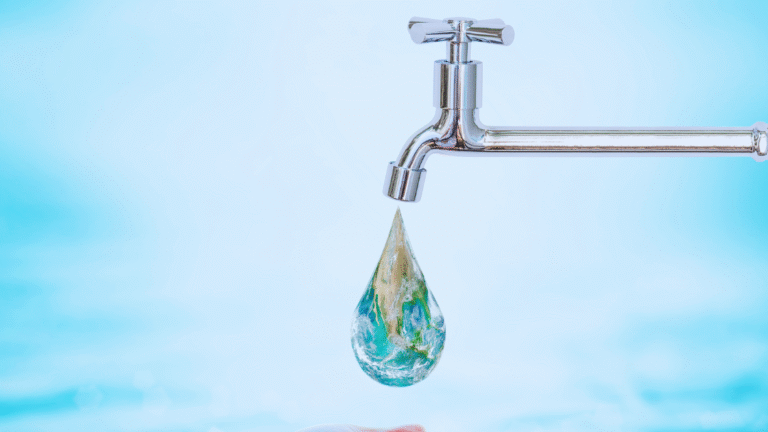
Water is a precious resource that sustains life on Earth. Saving water matters every day because it helps preserve essential ecosystems, supports agricultural needs, and ensures that future generations have access to clean drinking water. Each individual can contribute to this vital cause through small lifestyle changes that collectively make a significant impact.
By understanding the daily water consumption, individuals can identify opportunities to reduce waste. Simple actions like fixing leaks, using water-efficient appliances, and being mindful during everyday tasks can lead to substantial savings over time. The benefits extend beyond conservation; they also include reduced utility bills and a smaller environmental footprint.
Communities benefit greatly from a collective effort in water conservation. Schools, businesses, and local organisations can play a crucial role in promoting awareness and implementing strategies to save water. Every drop counts, and commitment to conservation fosters a sustainable future for everyone.
The Global Importance of Water Conservation
Water conservation plays a crucial role in maintaining ecological balance, safeguarding human health, and promoting economic sustainability. The significance of conserving water extends beyond individual usage, impacting ecosystems, public health, and global economies.
Effects on Ecosystems
Water is vital for the survival of ecosystems. Freshwater habitats, including rivers, lakes, and wetlands, support biodiversity and provide a home for countless species. Depleting these resources can lead to habitat loss, affecting both plants and animals.
Species that rely on aquatic environments face threats from reduced water levels. Diminished water flow can disrupt migration patterns and breeding cycles. Furthermore, it can decrease water quality, leading to algal blooms that harm fish and other wildlife.
Conserving water helps maintain healthy ecosystems. It ensures the survival of various species and sustains the natural processes that benefit the environment.
Impact on Human Health
Access to clean water is essential for human health. Water conservation directly affects public health by reducing the spread of waterborne diseases. Polluted water sources lead to health crises, especially in underserved communities.
Lack of clean water can exacerbate conditions related to sanitation and hygiene. This results in increased health care costs and diminished quality of life. Therefore, preserving water resources is pivotal for promoting health outcomes globally.
Moreover, clean water is necessary for food production. Scarcity can lead to reduced agricultural yield, posing risks to nutrition and food security.
Economic Advantages
Water conservation yields significant economic benefits. Reducing water usage lowers utility costs for households and businesses. This can lead to substantial savings over time, promoting more efficient use of financial resources.
Industries dependent on water, such as agriculture and manufacturing, benefit from sustainable practices. These lead to increased production and reduced operational costs.
Investing in water conservation initiatives can also create jobs. Projects aimed at improving water efficiency generate employment opportunities in various sectors.
Encouraging water conservation aligns ecological stability with economic growth, creating a sustainable future.
Practical Ways to Save Water Daily
Individuals can adopt various strategies to save water in their daily lives. This section explores actionable steps that can be taken at home, in the workplace, and through community initiatives.
At Home
Saving water at home starts with simple habits. Fixing leaks in faucets and toilets can prevent significant water loss. A leaky faucet can waste over 3,000 gallons a year, which is easily avoidable.
Using water-efficient appliances also plays a vital role. Installing low-flow showerheads and faucets can reduce water usage by 30% or more. Additionally, only running dishwashers and washing machines with full loads maximises efficiency.
Residents can also be mindful of their lawn care. Watering gardens early in the morning or late in the evening minimises evaporation. Incorporating drought-resistant plants can further reduce outdoor water demands.
In the Workplace
Workplaces can implement several strategies to conserve water. Encouraging employees to report leaks and inefficiencies helps maintain optimal water usage. Regular maintenance of plumbing systems is essential for minimising waste.
Installing low-flow fixtures in bathrooms and kitchens supports sustainable practices. Companies can also initiate campaigns to promote mindful water use among employees. Simple reminders can lead to significant reductions in consumption.
Recycling water through greywater systems, where applicable, can enhance sustainability. It allows the reuse of water from sinks and showers for irrigation purposes.
Managing Wastewater
However, water conservation goes beyond internal consumption alone. Protecting the broader water ecosystem is equally important, especially since water is frequently polluted by commercial and industrial activities. Companies can come up with various solutions to address this and prevent contaminants from entering natural waterways.
For instance, in sectors like the food industry, wastewater is often contaminated with fats, oils, grease, and organic matter. Without proper treatment, this polluted water can enter public drainage systems and harm surrounding water bodies. In such cases, using a durable grease trap becomes essential. It helps capture grease and solid waste before they reach waterways, reducing environmental damage and easing pressure on municipal treatment systems.
A similar challenge exists in the fashion industry. Textile washing, dyeing, and finishing processes release wastewater containing oils, dyes, fibers, and chemical residues. Pre-treatment systems can help separate these contaminants at an early stage, preventing blockages, reducing pollution, and supporting safer wastewater disposal.
Protecting Water Resources
Commercial facilities often use interceptor tanks to trap these harmful pollutants before they escape into the main sewer lines. These tanks require regular monitoring to prevent blockages and sudden overflows that lead to expensive emergency cleanups. Installing a GSM Drain Alarm by Express Drainage Solutions (or from other similar suppliers) helps businesses track waste levels automatically. Automatic alerts help businesses monitor tank levels, reducing unnecessary maintenance and supporting responsible wastewater management.
Regular maintenance of these underground systems is necessary to prevent structural failures over time. When pipes crack or collapse, stormwater and sewage can leak into the surrounding soil. Professional contractors use CCTV cameras to inspect the inside of the pipes without digging up the ground. If they find damage, they can repair the pipes with modern relining methods. Working with a specialist team like Enviro Drainage Services helps property managers keep their infrastructure in good working order. This proactive care keeps the local environment safe from contamination.
By addressing both water usage within the workplace and wastewater quality beyond it, businesses can take meaningful steps toward water conservation. These efforts not only improve operational efficiency but also contribute to the long-term protection of natural water resources.
Community-Based Initiatives
Community initiatives can foster collective efforts to save water. Organising water conservation workshops educates residents about effective practices. These sessions can cover everything from rainwater harvesting to xeriscaping.
Local governments can promote incentives for water-efficient appliances. Programs that offer rebates encourage homeowners to replace old fixtures with water-saving options.
Additionally, communities can establish group projects like tree planting or rain gardens. Such projects not only conserve water but also enhance local ecology. Working together strengthens community bonds while promoting sustainable practices.
Technological Innovations in Water Conservation
Advancements in technology provide effective solutions for water conservation. By integrating smart devices and innovative appliances, it is possible to significantly reduce water waste in homes and agriculture.
Smart Home Devices
Smart home technology plays a crucial role in efficient water management. Devices such as smart irrigation systems can automatically adjust watering schedules based on weather conditions, preventing overwatering.
Additionally, smart showerheads and faucets can monitor water usage and promote water-saving settings. Systems like these often feature app connectivity, allowing users to track their consumption patterns in real-time. This awareness encourages proactive adjustments to daily water use.
Water-Saving Appliances
Modern appliances now include water-saving features designed to minimise usage. For instance, high-efficiency washing machines can use up to 50% less water than standard models.
Upgrading to these eco-friendly laundry units can be expensive for many households. A Washer and dryer lease is a simple way to get these newer models without a large upfront payment. These agreements often include delivery, setup, and regular maintenance. This setup keeps the machines running at peak efficiency so they use less water and power. It is a convenient option for renters who want green home solutions but do not want to buy appliances they might have to move later.
Dishwashers with eco-settings also utilise minimal water while maintaining cleaning effectiveness. These appliances are often Energy Star certified, indicating they meet strict efficiency guidelines. This certification not only conserves water but can also lead to reduced energy bills.
Agricultural Innovations
In agriculture, technology is reshaping how water is utilised. Precision irrigation techniques, including drip and sprinkler systems, ensure that crops receive the optimal amount of water directly at their roots, significantly reducing loss.
Soil moisture sensors further support this innovation by providing real-time data on when and how much to irrigate. Such systems can improve crop yield while minimising water wastage, making them essential for sustainable farming practices in regions facing water scarcity.