
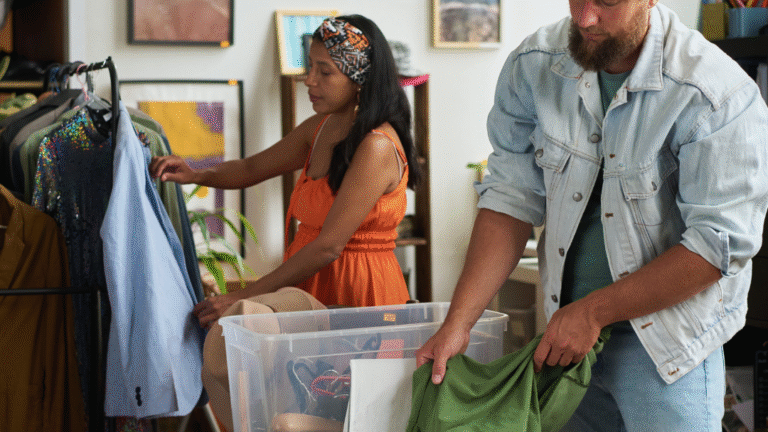
Secondhand shopping reduces waste by giving items a second life, which lowers the demand for new products and the resources needed to produce them. It also helps decrease pollution and energy consumption tied to manufacturing and shipping.
By choosing secondhand, individuals actively support more sustainable consumption patterns and contribute to less environmental strain. This approach aligns with green living goals by minimising landfill contributions and promoting reuse over disposal.
Beyond environmental benefits, secondhand shopping often provides unique, affordable options that are not found in mainstream stores. This adds value to both the consumer and the planet, making it a practical choice for sustainable living.
How Secondhand Shopping Supports Green Living
Secondhand shopping directly influences environmental health by decreasing waste and lessening resource consumption. It offers practical ways to reduce the environmental footprint of consumer goods throughout their lifecycle.
Extending the Lifespan of Products
Secondhand shopping keeps items in use longer, delaying their entry into landfills. Each purchase of used clothing, furniture, or electronics provides a new phase of functional use, reducing demand for new production.
By extending product lifespans, it lowers the frequency with which manufacturers must extract raw materials and create new goods. This process helps minimise industrial emissions associated with manufacturing and transportation.
Reducing Pollution and Waste
Choosing secondhand reduces the volume of waste sent to landfills, which often emit methane and contaminate soil and water. It also cuts down on air and water pollution linked to manufacturing new products.
Fewer new goods mean less energy consumption and fewer chemical pollutants released during production. This reduction significantly benefits the environment, particularly in industries known for high pollution levels, like fast fashion.
Conserving Natural Resources
Secondhand shopping conserves finite natural resources such as water, minerals, and timber. It limits the extraction activities necessary for producing new items, preserving ecosystems and biodiversity.
Circulating products reduces the need for resource-heavy processes like mining, deforestation, and water-intensive agriculture. Consumers help protect natural habitats and lower global resource depletion through these choices.
Environmental Impacts of Secondhand Versus New Purchases
Secondhand shopping reduces demand for new products by extending the life cycle of existing items. This practice affects several environmental factors, including greenhouse gas emissions, waste production, and resource consumption.
Lowering Carbon Footprint
Buying secondhand significantly lowers the carbon footprint associated with production, transportation, and retail. New products require raw materials extraction, manufacturing, and shipping, each step contributing to CO2 emissions.
In contrast, secondhand goods emit minimal additional carbon since they do not involve new manufacturing. Studies estimate that purchasing used items can reduce carbon emissions by up to 82% compared to new ones.
This reduction is critical in mitigating climate change by lowering fossil fuel usage and industrial emissions tied to new goods. Consumers who opt for secondhand goods support a circular economy, which lessens overall environmental impact.
Textiles, Fast Fashion, and Waste
The fast fashion industry produces enormous textile waste, burdening landfills and ecosystems. Clothing accounts for about 85% of textile waste, much of which is generated from rapid turnover and disposable fast fashion trends.
Secondhand shopping slows this cycle by reusing textiles, diverting large quantities of fabric from landfills. Recycled garments reduce the need for virgin fibres, which often involve pesticides and water-intensive crops like cotton.
By choosing secondhand clothing, consumers help combat the fast fashion waste problem and reduce pollution. This practice reduces landfill contributions and the ecological damage caused by discarded synthetic fibres.
Energy and Water Savings
Manufacturing new products consumes vast amounts of water and energy. Textile production alone uses approximately 79 trillion litres of water annually worldwide, alongside significant electricity for machinery.
Secondhand goods require little to no new water or energy inputs beyond cleaning and minor repairs. This conserves natural resources essential to sustainable living.
Energy savings come from avoiding the entire cycle of fabric creation, dyeing, and product assembly. Water savings help preserve freshwater sources, especially in regions facing shortages linked to industrial demands.
| Aspect | New Purchases | Secondhand Shopping |
| Carbon Emissions | High (production-intensive) | Low (minimal new production) |
| Water Usage | Very high | Negligible |
| Waste Generated | Significant (manufacturing scraps & post-use) | Reduced (recycling, extended use) |
These savings collectively contribute to reducing the environmental strain of consumer lifestyles.
Secondhand Shopping and the Circular Economy
Secondhand shopping directly supports a system where materials and products circulate longer within the economy. It limits waste and reduces the extraction of new resources, which are key for sustainable development.
Role in Reducing Demand for New Products
By purchasing used items, consumers lower the need for new product manufacturing. This decreases resource extraction, energy use, and greenhouse gas emissions associated with production.
Secondhand markets reduce pressure on factories and supply chains by extending product lifespans. For example, buying a used appliance avoids the environmental costs of producing a new one.
This reduced demand helps slow resource depletion and supports a more sustainable future by encouraging less consumption overall.
Promoting Reuse and Recycling
Secondhand shopping emphasises reuse, a fundamental principle of the circular economy. It keeps goods in circulation, delaying or eliminating entry into waste streams.
Items that cannot be resold are often directed toward recycling programs, recovering materials for new products. This reduces landfill use and conserves raw material sources.
Thus, secondhand shopping bolsters a cycle where reuse and recycling coexist, fostering efficient material use and waste reduction throughout product lifecycles.
Modern Platforms and Best Practices for Secondhand Shopping
Secondhand shopping combines digital and local options to access diverse items while supporting sustainable habits. Choosing the right marketplaces and following effective buying and donating practices maximises environmental benefits and ensures a positive consumer experience.
Popular Online and Local Marketplaces
ThredUp and Poshmark are popular online platforms focused on secondhand clothing. ThredUp offers an extensive selection of curated items with a focus on quality control and easy returns. Poshmark encourages social selling, allowing users to interact directly with sellers, which promotes transparency.
eBay remains a versatile global marketplace, useful for clothing, electronics, and collectables. Craigslist and Facebook Marketplace offer local buying and selling, reducing shipping emissions and allowing item inspection before purchase. These platforms provide practical ways to find affordable goods and reduce waste.
Guidelines for Sustainable Buying and Donating
Consumers should prioritise quality over quantity, checking item condition carefully to extend product lifespan. Buying from local sellers minimises transportation impact. When donating, items should be clean, functional, and suitable for reuse to avoid burdening charities.
Tracking purchases and donations helps avoid impulsive buying and ensures meaningful contributions. Some platforms, like ThredUp, even provide resale kits to simplify the process. Responsible practices encourage a circular economy and support green living effectively.