Reducing plastic waste is a critical step towards tackling plastic pollution, which poses a significant threat to the environment. Simple actions can lead to substantial reductions in single-use plastic consumption. Transitioning to reusable products, such as water bottles and shopping bags, is an effective way to minimise reliance on disposable plastics.
Individuals can embrace practical tips that fit seamlessly into their daily routines. For instance, opting for products with minimal or no plastic packaging can have a positive impact. By making small, conscious choices, they can contribute to a larger movement aimed at preserving the planet for future generations.
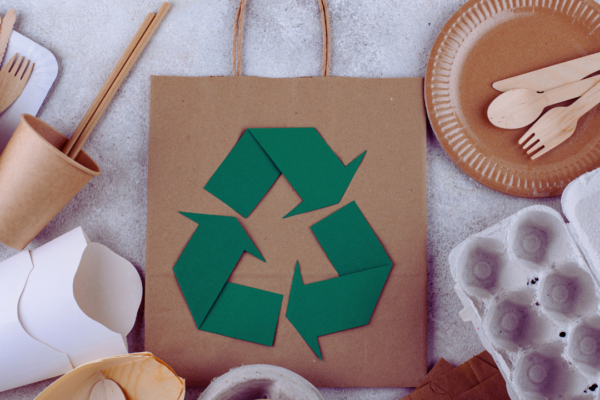
Building on this, one effective and eco-friendly alternative to plastic packaging is paper. Unlike plastic, paper is biodegradable, recyclable, and often made from renewable resources, typically making it a sustainable option. As more companies shift towards using paper-based solutions like bags, boxes, and wrapping, both consumers and businesses could play an essential role in driving this positive change by supporting and choosing environmentally responsible packaging options.
Beyond these practical steps, education about the effects of plastic waste can empower people to make informed decisions. Sharing knowledge on sustainable alternatives not only raises awareness but also encourages collective action in reducing plastic pollution. Adopting these easy tips will lead to a cleaner and healthier environment.
Understanding Plastic Waste and Its Impact
Plastic waste poses a significant challenge to the environment and human health. The scale of plastic pollution is alarming, with single-use plastics and microplastics having detrimental effects on ecosystems.
The Scope of Plastic Pollution
Plastic pollution has reached critical levels globally. An estimated 300 million tonnes of plastic are produced each year, with a substantial portion ending up in oceans and landfills.
The most visible forms of plastic waste include:
- Plastic bottles: Approximately 1 million plastic bottles are purchased every minute.
- Plastic straws: These seemingly small items contribute significantly to the overall waste problem.
This accumulation of plastic harms wildlife and disrupts marine ecosystems. Animals often ingest plastic or become entangled, leading to injury or death. Moreover, larger pieces of plastic eventually break down into microplastics, which can infiltrate the food chain and have unquantifiable long-term effects on human health.
Single-Use Plastics and Microplastics
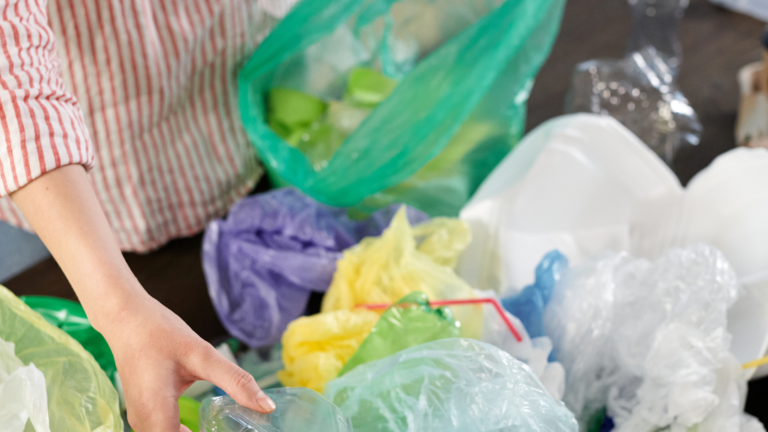
Single-use plastics, like bags, cutlery, and wrappers, are designed for immediate use and disposal. These items are convenient but contribute heavily to waste generation. Each year, over 100 billion plastic bags are used in the UK alone.
Microplastics, defined as plastic particles smaller than 5mm, arise from the breakdown of larger plastics or are manufactured for products like cosmetics and cleaning agents. They can accumulate in the environment, leading to high concentrations in ocean waters.
Microplastics have been found in marine animals, raising concerns about their impact on both wildlife and human consumption. Research shows that humans may ingest microplastics through seafood, drinking water, and even air, posing potential health risks. Reducing reliance on single-use plastics can mitigate the generation of microplastics and lessen environmental impact.
Practical Steps to Reduce Plastic Usage
Reducing plastic usage requires intentional choices in everyday activities. Focusing on sustainable shopping habits and opting for reusable items can significantly lower plastic waste.
Shopping and Food Storage Solutions
When shopping, using reusable shopping bags is a straightforward way to reduce plastic. Many retailers offer sturdy options that can replace single-use plastic bags. It is beneficial to keep a few bags in the car or near your front door to encourage their use.
Buying in bulk can also diminish plastic waste. By purchasing larger quantities of items, one can reduce the number of individual plastic packages. Using glass containers for storage helps maintain the freshness of food while avoiding plastic containers that often leach chemicals into food.
Consider choosing paper or compostable packaging when available. These materials are more environmentally friendly than plastic. Whenever possible, opt for products packaged in recyclable materials to further lessen the impact on the environment.
Choosing Reusable Over Disposable
Switching to reusable products can significantly impact plastic reduction. For instance, using a reusable coffee cup instead of disposable coffee cups can save hundreds of cups annually. Many cafés offer discounts for customers who bring their containers.
Investing in durable food storage solutions, such as glass containers, is another effective strategy. Unlike plastic, glass containers can last long and do not degrade over time. They are ideal for meal prep and storing leftovers.
Using reusable water bottles is essential. Many people rely on single-use plastic bottles, contributing to waste accumulation. Opting for a reusable bottle encourages hydration without added plastic consumption. By making these simple changes, individuals can substantially reduce their plastic footprint.
Alternatives to Common Plastic Items
Individuals seeking to cut down on plastic waste can consider various eco-friendly alternatives to everyday items. These options not only reduce reliance on plastic but also promote sustainability.
Eco-Friendly Household Products
Several household products can be replaced with eco-friendly alternatives. For instance, swapping liquid soap for a soap bar can greatly reduce plastic packaging waste. Soap bars often come in minimal or recyclable packaging and are typically made with natural ingredients.
Another alternative is using a reusable cleaning cloth instead of disposable wipes. Fabric cloths can be washed and reused, significantly reducing the amount of single-use material that ends up in landfills.
For dental hygiene, replacing plastic toothpaste tubes with natural toothpaste tablets is a viable option. These tablets often come in glass or recyclable containers, minimising plastic use.
Biodegradable and Compostable Options
Choosing biodegradable and compostable products is essential for reducing plastic contributions. For instance, composting food waste can enhance soil health without contributing to landfill growth.
Biodegradable trash bags made from plant-based materials serve as an alternative to traditional plastic bags. These bags break down more efficiently in composting environments.
For personal care, individuals can opt for a disposable razor made from biodegradable materials. These options help reduce plastic waste significantly compared to standard disposable razors.
Additionally, selecting biodegradable cutlery and plates at parties or gatherings prevents plastic pollution. Such items decompose naturally, offering a sustainable solution for single-use dining.
Supporting Systemic Change
Making significant reductions in plastic waste requires a collective effort that extends beyond individual choices. By enhancing recycling systems and supporting eco-friendly brands, consumers can contribute to meaningful changes in the community and marketplace.
Recycling Systems and Zero-Waste Lifestyles
Effective recycling systems are crucial for diverting waste from landfills and reducing plastic pollution. Communities should advocate for improved recycling infrastructure, which includes accessible drop-off points and comprehensive educational initiatives.
Residents can facilitate a zero-waste lifestyle by composting organic matter and opting for bulk purchasing. Refill stations for personal care items, cleaning products, and food promote sustainability. This approach minimises packaging waste, allowing consumers to use reusable containers.
Promoting biodegradable packaging also plays a vital role in building a resilient recycling system. Understanding how to properly sort recyclables can enhance the quality of recycled materials and increase overall recycling rates.
Supporting Eco-Friendly Brands and Services
Supporting eco-friendly brands is essential for driving systemic change. Consumers can research companies committed to sustainable practices, such as using biodegradable packaging and prioritising minimal waste. At the manufacturing level, this commitment extends to packaging decisions, where switching to metal caps for bottles and beverage containers offers a more durable and fully recyclable alternative to plastic closures. By integrating such materials into their production processes, brands can reduce environmental impact while maintaining product integrity and meeting growing sustainability expectations.
Brands offering reusable bottles and containers encourage customers to replace single-use items with sustainable alternatives. These products often come with refill options, further reducing plastic consumption.
Additionally, opting for services like milk delivery, which typically uses glass bottles, supports a circular economy. This practice highlights the importance of selecting brands that align with environmental values. By backing such businesses, consumers amplify their impact on reducing plastic waste and inspire others to adopt similar practices.