Repurposing everyday items creatively is a practical way to save money, reduce waste, and add unique touches to your living space. It involves seeing the potential in common objects and transforming them into new, useful products that serve different purposes. This approach not only maximises resources but also encourages innovative thinking.
People often overlook the versatility of items they already own, such as jars, old clothes, or furniture parts. By experimenting with simple tools and materials, they can convert these items into organisers, decor, or even gifts.
Understanding basic techniques and getting inspired by examples can make the process straightforward and enjoyable. This guide explores actionable ideas and tips to help anyone start repurposing everyday objects with confidence and creativity.
Fundamental Principles of Creative Repurposing
Creative repurposing transforms everyday household items into useful or decorative objects. It involves thoughtful selection of materials, understanding environmental impact, and recognising practical benefits.
Benefits of Upcycling and Reuse
Upcycling reduces waste by diverting items from landfills and extending their life cycle. It lowers demand for new resources, cutting down on manufacturing pollution.
Reusing materials also saves money, eliminating the need to buy new products. This approach encourages creativity by turning discarded items into personalised, functional goods.
Additionally, it supports sustainability efficiently. Repurposing helps individuals contribute to eco-friendly practices without large investments or complex processes.
Choosing the Right Household Items
Selecting suitable household items involves assessing durability, material type, and potential uses. Items like glass jars, old clothing, wooden pallets, and tin cans are common starting points due to their versatility.
It’s important to avoid materials that are damaged beyond repair or hazardous. Clean, sturdy items ensure safety and longevity in repurposed projects.
Practicality should guide the choice. Consider items with simple shapes and solid construction, as they adapt better to new purposes and reduce the need for complex modifications.
Eco-Friendly and Cost-Saving Approaches
Eco-friendly repurposing prioritises low-impact materials and processes. Using non-toxic paints and adhesives maintains environmental benefits. Avoiding single-use plastics and synthetic substances contributes to waste reduction.
Cost savings come from using items already available at home or sourced inexpensively from thrift stores and donations. Incorporating natural materials like wood scraps or fabric scraps further limits expenses.
Besides saving money, repurposing reduces the energy involved in producing new goods. This aligns with sustainable living by minimising carbon footprints connected to consumer habits.
Practical Ways to Repurpose Everyday Items at Home
Repurposing everyday items can help save money and reduce waste. Simple transformations often create useful household tools or decor without needing special skills.
Creative Uses for Old T-Shirts and Towels
Old t-shirts can be cut and sewn into cleaning rags or braided into colourful rugs or baskets. Their soft fabric makes them ideal for dusting or polishing surfaces without scratching.
Old towels, when no longer absorbent, can be turned into pillow covers or used as stuffing for quilts. They can also be cut into smaller pieces to create reusable washcloths or pet bedding, extending their usefulness around the home.
Transforming Glass Jars and Bottles
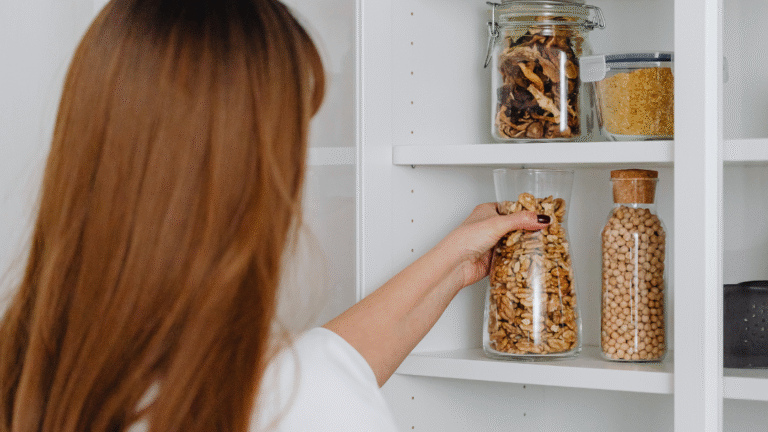
Glass jars are excellent for storage containers. They can hold spices, nuts, screws, or craft supplies, helping organise cluttered spaces with a clear view of contents.
Glass bottles can be cleaned and repurposed as vases or candle holders. Painting or etching the glass adds a decorative touch suited to home decor or gifts.
DIY Projects with Plastic Bottles and Tin Cans
Plastic bottles can be cut into funnels, plant pots, or bird feeders. Their durability and transparency make them practical for outdoor and gardening use.
Tin cans, cleaned and deburred, turn into pencil holders, planters, or lanterns. Adding paint or fabric covers can improve their appearance, making them fit better within a room’s style.
Repurposing Newspapers and Cardboard Tubes
Newspapers can be rolled tightly and woven into baskets or mats, offering a low-cost crafting material. They also serve as compost material when shredded.
Cardboard tubes from paper towels or wrapping paper work well as organisers for cords, tools, or art supplies. They can be decorated and stacked for modular storage solutions.
Creative Organisation, Gardening, and Craft Ideas
Repurposing everyday items can optimise space, improve gardening success, and add personalised touches to home décor. Using simple materials like egg cartons, mason jars, and rubber bands provides practical and aesthetic benefits without extra cost.
Using Egg Cartons and Seed Starters in the Garden
Egg cartons are ideal for starting seeds because they provide individual compartments that keep seedlings separated. They are biodegradable when made from paper pulp, so they can be planted directly into soil. This reduces transplant shock and waste.
Seed starters made from egg cartons or similar materials like peat pots help regulate moisture and air flow to young plants. To use, poke holes in the bottom for drainage, fill with seed-starting mix, and place seeds inside. Label each compartment for easy identification.
Once seedlings develop roots, cut or tear the carton sections and transfer them to garden beds or larger planters. This method supports sustainability and encourages healthy plant growth with minimal effort.
DIY Planters and Plant Stands
Mason jars and pickle jars transform into attractive DIY planters by adding drainage layers with small stones or gravel, then filling with soil. Glass jars allow monitoring of root health and moisture levels, but need careful watering to avoid root rot.
For larger plants, upcycled containers can be combined with simple wooden or metal plant stands to elevate greenery and save floor space. Repurposing old crates or pallets as multi-tier stands creates organised and visually appealing displays.
Adding rubber bands around jars or pots helps secure labels or decorative elements. Combining function and style, these DIY planters and stands suit both indoor and outdoor settings efficiently.
Innovative Desk and Home Organisers
Egg cartons can organise small desk items like paper clips, pins, or beads, keeping clutter under control. Using different sections for various objects simplifies access and tidiness.
Mason jars serve as versatile desk organisers for pens, brushes, or crafting tools. Clustering jars in groups or fixing them to wooden boards creates compact storage solutions with a rustic look.
For added utility, attaching rubber bands around jars or cartons can secure loose items or hold cable bundles. Bulletin boards made from recycled materials like cork sheets or framed upcycled fabric provide customizable spaces for notes and reminders.
Upcycled Candle Holders and Bulletin Boards
Empty jars, including pickle and mason jars, convert easily into candle holders. Adding sand, small stones, or decorative fillers stabilises candles. The clear glass showcases candlelight while repurposing materials reduces waste.
Bulletin boards can be crafted from wooden frames or old picture frames fitted with cork or fabric backing. Attaching clips, pins, or magnets allows arranging notes, photos, or reminders flexibly.
Incorporating rubber bands around the edges or backing can secure additional items like dry-erase markers or scissors, increasing the board’s functionality without bulky storage. These simple projects add practical decor with personalised charm.