Creating a zero-waste kitchen is a practical way to reduce environmental impact and support a sustainable lifestyle. By focusing on simple habits and mindful choices, anyone can lower their household waste and contribute to a low-waste living space. The key is to prioritise reusable items, reduce packaging, and compost organic scraps.
Adopting a zero-waste kitchen involves planning meals, shopping smartly, and using containers that minimise excess waste. It aligns with broader zero-waste lifestyle principles, encouraging less reliance on single-use plastics and more thoughtful resource use.
This approach not only helps the planet but can also streamline kitchen routines and reduce clutter. With easy tips, a zero-waste kitchen becomes an achievable goal for those committed to sustainability and efficiency.
Essential Strategies for a Zero-Waste Kitchen
Reducing plastic waste and minimising disposables are key steps in creating a zero-waste kitchen. This involves carefully using existing supplies, switching to reusable alternatives, and shopping with containers that limit packaging. Each action contributes to lowering daily waste effectively.
Assessing and Using What You Already Have
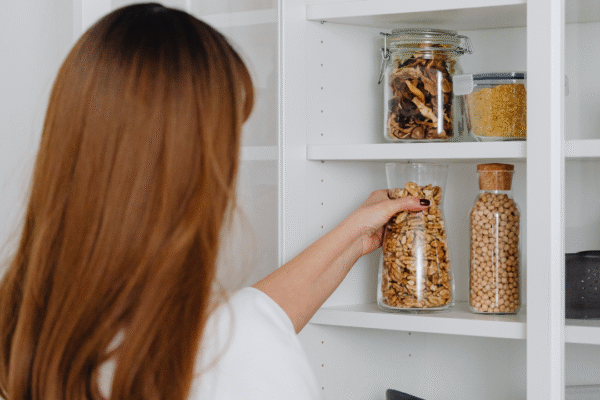
Before buying new items, it is important to evaluate current kitchen supplies. Using leftover ingredients, glass jars, and food containers reduces the need for additional packaging. Organising pantry items in reusable containers can extend the life of food and avoid spoilage.
Repurposing materials, such as using glass jars for bulk storage or as drinking cups, also helps minimise plastic waste. Tracking expiry dates and meal planning can ensure food is consumed rather than discarded. This upfront effort decreases waste and saves money over time.
Swapping Single-Use Items for Reusables
Replacing disposables with durable items is a cornerstone of zero-waste kitchens. For example, cloth napkins and beeswax wraps can substitute paper towels and plastic wrap. Silicone bags and stainless steel containers offer safe, reusable storage for leftovers.
Bamboo cooking utensils and bamboo utensils reduce reliance on plastic tools. Choosing zero-waste kitchen products that are washable and long-lasting limits waste generation on a daily basis. These swaps have direct impacts on reducing landfill contributions and plastic pollution.
Shopping with Reusable Bags and Containers
Using cloth bags and reusable produce bags during grocery trips cuts down plastic bag use. Bringing stainless steel containers or glass jars to buy bulk or loose items avoids unnecessary packaging waste. This habit promotes package-free shopping habits and supports zero-waste goals.
Labelling containers and keeping them accessible in the kitchen encourages consistent use. It also makes it easier to measure and carry fresh ingredients. Together, these practices build sustainable shopping habits that lower environmental impact.
Smart Grocery Shopping and Food Storage
Creating a zero-waste kitchen requires careful planning when buying and storing food. Efficient shopping habits and proper organisation reduce plastic waste and food spoilage. Practical choices like using reusable containers and selecting local produce support a sustainable kitchen.
Bulk Buying and Package-Free Shopping
Buying in bulk at a bulk food store minimises packaging waste. Shoppers bring their own reusable containers or cloth bags to fill items like grains, nuts, and spices. This eliminates plastic packaging and reduces single-use waste.
Using a detailed grocery list before shopping helps avoid overbuying. It ensures that only the needed items in appropriate quantities are purchased. Bulk food also usually costs less per unit, making it economical.
Customers should clean and dry containers before refilling. Clear labelling on containers aids in identifying contents quickly. Consistent use of glass containers or sturdy reusable containers maintains freshness without plastic.
Organising Pantry and Food Storage
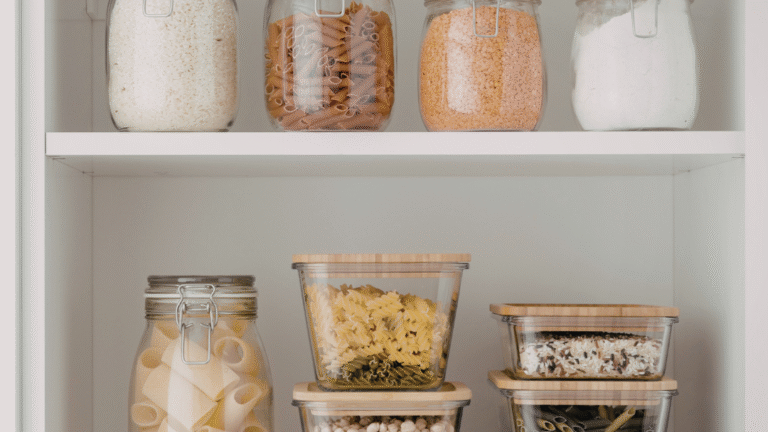
An organised pantry prevents food waste. Group items by type and expiration date to use older items first. Transparent, stackable containers maximise shelf space and allow for easy visibility.
Zero-waste food storage relies on airtight containers that keep pests and moisture out. Glass containers with tight lids work well for dry and perishable foods. Avoid plastic packaging that harms the environment and may leach chemicals.
Label containers with contents and purchase or expiry dates. Rotate stock regularly to reduce spoilage. Keeping like products together also speeds up meal prep and shopping list creation.
Choosing Local and Seasonal Ingredients
Shopping local supports community farmers and reduces carbon emissions from transport. Seasonal ingredients are fresher and last longer because they don’t require extensive storage or preservation.
Farmers’ markets and local shops often allow bulk or package-free options. This helps avoid plastic packaging found in conventional grocery stores. Choosing local produce aligns with zero-waste values by minimising unnecessary waste from long supply chains.
Seasonal ingredients typically require less refrigeration and generate less food waste. Planning meals around local harvests increases variety and nutrition without increasing environmental impact.
Reducing Food Waste and Composting
Minimising food waste begins with careful planning and using leftovers efficiently. Creative ways to repurpose food scraps help extend their life. Setting up a composting system in the kitchen turns unavoidable waste into valuable soil nutrients.
Effective Meal Planning and Leftover Use
Meal planning reduces impulse buying and excess food. It starts with writing a precise shopping list based on meals for the week. Focusing on versatile ingredients helps avoid leftovers that go unused.
Leftovers should be stored properly in airtight containers and labelled with dates. They can be repurposed into new meals, such as turning roasted vegetables into vegetable broth or cold meats into sandwiches. Planning meals around leftovers further limits food waste.
To track and reduce waste, keeping a food waste journal is helpful. It identifies patterns, such as frequently unused items, encouraging smarter shopping and cooking habits.
Creative Uses for Food Scraps
Food scraps can be transformed into additional meals or ingredients instead of being discarded. For example, vegetable peels and ends can be simmered into rich vegetable broth.
Stale bread can be cut into cubes, seasoned, and baked for homemade croutons. Overripe fruits are perfect for smoothies or baking.
Seeds from fruits like watermelons or pumpkins can be roasted as snacks. Saving eggshells for garden fertiliser also repurposes waste effectively.
Using food scraps creatively not only reduces waste but also often saves money and enriches the diet.
Setting Up a Kitchen Compost System
A compost bin captures food scraps that cannot be eaten, transforming them into nutrient-rich compost for gardens. Countertop compost bins with charcoal filters reduce odour and make composting more convenient.
Common composters include traditional compost bins, bokashi bins, and worm bins. Bokashi bins ferment scrap, including meat and dairy, expanding compostable waste options.
Designate a container for collecting scraps like fruit peels, coffee grounds, and vegetable scraps. Regularly empty it into a larger outdoor compost system or community composter.
Proper composting reduces landfill waste and creates valuable soil amendments.
Sustainable Cooking and Cleaning Habits
Maintaining a zero-waste kitchen involves choosing durable tools, using natural cleaning products, and reducing resource consumption. Each habit contributes to cutting down kitchen waste and supporting sustainability.
Eco-Friendly Cooking Tools and Cookware
Using long-lasting cookware like a cast-iron skillet significantly reduces waste because it can last decades when cared for properly. Cast iron is versatile; it distributes heat evenly and requires minimal oil, which supports healthy and efficient cooking.
Avoid disposable or plastic utensils. Instead, opt for wooden, stainless steel, or bamboo kitchen tools. These materials are durable and often biodegradable or recyclable.
Reusing or repurposing old cookware reduces kitchen waste. Items like glass storage containers or silicone lids replace single-use wraps and reduce plastic consumption.
Natural Cleaning Solutions for the Kitchen
Natural cleaning products reduce exposure to harmful chemicals and lower environmental impact. Common ingredients include white vinegar, baking soda, lemon juice, and castile soap.
For example, vinegar and water effectively clean glass, countertops, and stainless steel without leaving residues or toxic fumes. Baking soda serves as a gentle abrasive for scrubbing.
Avoid commercial cleaners packaged in non-recyclable plastics. Instead, make your own blends and store them in reusable spray bottles or glass jars. This practice minimises plastic waste in the kitchen.
Saving Energy and Conserving Water
Energy-efficient cooking methods like pressure cooking or using lids on pots reduce fuel or electricity consumption. A cast-iron skillet also retains heat well, allowing lower cooking temperatures and saving energy.
Running dishwashers only when full and opting for eco or short cycles conserves water and power. Washing dishes by hand with a basin filled halfway uses less water than a running tap.
Fix leaky faucets promptly to prevent unnecessary water waste. Combined, these measures lower both the environmental footprint and utility bills in a sustainable kitchen.