Incorporating DIY home projects into daily life can significantly enhance one’s efforts towards sustainable living. By engaging in these activities, individuals can actively reduce their carbon footprint while creating eco-friendly solutions that benefit their homes and the environment. These projects not only foster creativity but also promote self-sufficiency, enabling them to make conscious choices about the materials and resources they use.
Sustainable lifestyle choices often require a shift in mindset, and DIY initiatives provide an excellent platform for this transformation. From upcycling furniture to creating a home garden, these projects empower individuals to make impactful changes that align with their values. Sustainable practices foster a deeper connection with one’s surroundings and community, encouraging a culture of sharing and collaboration.
As awareness about environmental issues grows, many are seeking practical ways to contribute positively. Engaging in DIY projects can serve as a satisfying avenue for those looking to lead a more sustainable life. By embracing these initiatives, individuals not only improve their living spaces but also inspire others to consider their ecological impact.
Starting Your Journey to Sustainability at Home
Beginning a sustainable lifestyle at home involves assessing personal habits and implementing practical DIY solutions. This process helps reduce waste and encourages eco-friendly practices that benefit both individuals and the environment.
Assessing Your Carbon Footprint
Evaluating one’s carbon footprint is a vital first step towards sustainability. Individuals can use online calculators to determine their emissions based on factors like energy consumption, transportation, and waste production. This assessment reveals areas for improvement.
Key areas to consider include:
- Energy Use: Look at electricity and heating consumption.
- Transportation: Evaluate vehicle usage and public transport habits.
- Waste Management: Assess the volume of waste generated and recycling habits.
Identifying these factors enables a targeted approach to reducing emissions. For example, it’s essential to regularly assess the energy usage of home appliances like air conditioners, water heaters, and refrigerators. Excessive energy consumption can result from various issues, which is why routine maintenance is key.
However, detecting complex problems with these appliances can be tricky for household members with no experience. Technicians can help by performing regular checkups or repairs to keep household appliances functioning properly. Hence, consulting professionals can be the optimal way to go when looking for Denver AC repair (or in any other locality). This can help in ensuring the efficiency of appliances, which will in turn reduce the household’s carbon footprint and energy bills.
Implementing Eco-Friendly DIY Projects
Once the carbon footprint is assessed, focusing on eco-friendly DIY projects can greatly enhance sustainability at home. Simple projects can help reduce waste and energy usage.
Examples of practical projects include:
- Rainwater Harvesting: Create a system to collect rainwater for gardening.
- Composting Bins: Construct a compost bin to reduce food waste and create nutrient-rich soil.
- Solar Oven: Build a solar oven from recycled materials to reduce reliance on traditional cooking methods.
These projects not only promote sustainability but also provide a sense of accomplishment. Engaging in DIY activities fosters a deeper connection to environmental stewardship.
Waste Reduction Through Upcycling and Recycling
Focusing on waste reduction through creative upcycling and efficient recycling practices can significantly minimise household waste. By reusing materials and setting up proper recycling systems, individuals can contribute to a more sustainable lifestyle.
Creative Upcycling Ideas with Glass Jars and More
Glass jars are versatile items that can be repurposed in numerous ways. They can serve as:
- Storage containers: Use jars to organise craft supplies, spices, or pantry items, reducing the need for new storage products.
- Planters: Transform jars into attractive planters for herbs or small flowers, adding a touch of greenery to indoor spaces.
- Decorative pieces: Paint or decorate glass jars to create unique candle holders or centrepieces for special occasions.
Other materials, such as old wooden pallets or fabric scraps, can also be upcycled. For instance, pallets can be converted into outdoor furniture, while fabric can be sewn into shopping bags or quilts. Upcycling encourages creativity and reduces the demand for new products.
Setting Up an Efficient Home Recycling Station
An efficient recycling station simplifies the recycling process. Steps to establish one include:
- Designate a space: Choose a convenient location, such as the kitchen or garage, for recycling containers.
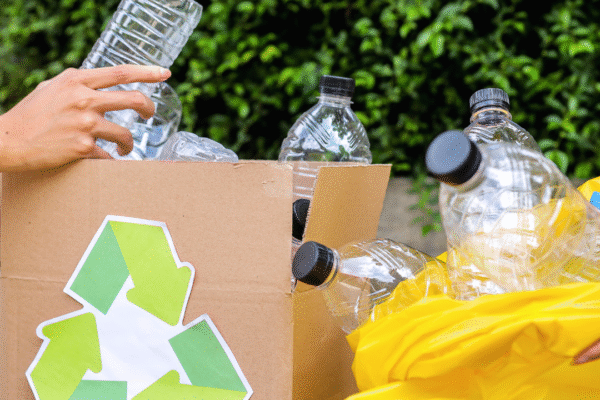
- Choose the right bins: Use labelled bins for different materials, such as plastic, paper, and metal, making it easy to sort waste.
- Educate the household: Ensure all members understand what items are recyclable. Provide a reference guide if necessary.
By streamlining the recycling process, individuals can enhance their commitment to reducing waste. Regularly educating friends and family on recycling practices can reinforce these habits and contribute to a more sustainable community.
Creating a Sustainable Kitchen
A sustainable kitchen minimises waste and utilises eco-friendly materials. Effective composting solutions and natural alternatives for cleaning and food storage can significantly contribute to an eco-conscious lifestyle.
DIY Composting Solutions for Organic Waste
Composting is a practical way to handle organic waste while enriching soil with nutrients. A simple DIY compost bin can be crafted using repurposed materials like wooden pallets or an old plastic container. Ensuring proper aeration is vital; incorporating holes in the bin allows air circulation.
Organic waste can include fruit and vegetable scraps, coffee grounds, and eggshells. Avoid adding meat, dairy, or oils, which can attract pests. The breakdown process transforms these scraps into nutrient-rich soil beneficial for gardening.
Regularly turning the compost accelerates decomposition. Maintaining a balance between ‘greens’ (nitrogen-rich materials) and ‘browns’ (carbon-rich materials) is essential for optimal composting. This method reduces landfill waste and fosters a healthier environment.
Natural Cleaning and Food Storage Alternatives
Traditional cleaning products often contain harsh chemicals. Natural alternatives can be created easily. A simple cleaning solution can be made from vinegar and water, effective for sanitising surfaces without toxic residues.
For food storage, beeswax wraps provide an eco-friendly option instead of plastic film. These wraps are reusable, compostable, and can keep food fresh while reducing plastic waste.
Using cloth-produced bags instead of plastic ones can also contribute to sustainability. These bags help reduce plastic consumption when shopping for fruits and vegetables.
Implementing these natural substitutes fosters a cleaner kitchen and diminishes the environmental impact. The transition to a sustainable kitchen is achievable with small, mindful changes in daily habits.
Energy and Water Conservation Techniques
Implementing effective energy and water conservation techniques is a great way to reduce utility bills while fostering a more sustainable lifestyle. One of the most impactful strategies is installing solar panels to harness renewable energy, helping to power your home more efficiently. Additionally, rainwater harvesting systems are a fantastic way to collect and use water for irrigation, reducing reliance on municipal sources. Beyond these, it’s also important to check the efficiency of your existing furnace. An inefficient furnace can lead to higher electricity bills, especially during colder months. To avoid these extra costs, consider new furnace installation minnesota, or in your local area, to ensure your heating system operates efficiently and helps you save on energy bills.
Installing DIY Solar Panels for Renewable Energy
Creating a solar panel system can empower homeowners to harness renewable energy and cut electricity bills. The process begins with choosing the right type of solar panels, such as monocrystalline or polycrystalline, based on efficiency and available space.
Installation involves securing panels to the roof or a ground mount while ensuring optimal sunlight exposure. It’s essential to connect the system to an inverter, which converts the generated direct current (DC) into alternating current (AC) for household use. By actively generating electricity, homeowners can reduce energy consumption and dependence on traditional power sources.
In many regions, government incentives may be available, aiding in offsetting initial costs. DIY installation can also increase savings and provide valuable experience in renewable energy technology.
However, for those seeking expert support or more complex integrations, especially when combining solar panels with roofing upgrades, working with a professional company like Axiom 360 ensures seamless, efficient installation with long-term reliability. Whether you choose to tackle the project yourself or enlist expert help, investing in solar energy is a smart step toward a more sustainable and cost-effective future.
Rainwater Harvesting and Efficient Watering Systems
Rainwater harvesting is an efficient method to conserve water and reduce dependency on municipal supplies. This system collects rainwater from rooftops and directs it to storage tanks or barrels, typically using gutters, downspouts, and filtration mechanisms.
Homeowners can easily set up such a system to capture and store rainwater, which is ideal for irrigation purposes. Moreover, using harvested rainwater reduces overall water consumption and lowers utility bills. To further enhance water-use efficiency, employing drip irrigation systems is highly effective as they deliver water directly to plant roots, minimizing waste.
That said, while rainwater harvesting offers substantial benefits, many gardens still tend to rely on traditional sprinklers to supplement watering during dry periods. In such cases, maintaining these systems becomes crucial; issues such as clogged nozzles, uneven spray patterns, and leaks can lead to water waste and decreased irrigation performance.
Therefore, engaging experts specializing in sprinkler repair in Venice (or elsewhere) ensures these problems are promptly addressed, maintaining a reliable irrigation system that seamlessly complements the rainwater harvesting setup.
Bottom Line
Embracing a sustainable lifestyle begins with small, intentional choices that gradually transform daily living. From DIY projects to mindful resource management, every effort contributes to a healthier home and planet. With consistency and creativity, anyone can make meaningful strides toward a more eco-friendly future.