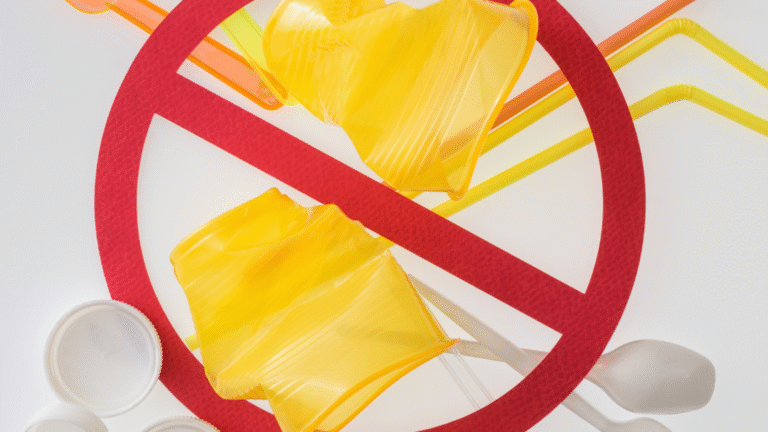
Single-use plastics contribute significantly to environmental pollution, harming oceans, wildlife, and ecosystems. Their widespread use creates waste that often takes hundreds of years to decompose, posing a long-term threat to the planet.
The most effective way to reduce the impact of single-use plastics is to minimise their use and replace them with reusable or biodegradable alternatives. Consumers and businesses can choose products made from sustainable materials and adopt habits like carrying reusable bags and containers.
Avoiding single-use plastics requires conscious daily decisions and awareness of their hidden presence in many common items. Understanding these impacts empowers individuals to reduce plastic waste and support broader environmental conservation efforts.
Understanding Single-Use Plastics
Single-use plastics are widely produced and consumed, primarily made from specific materials designed for convenience rather than durability. These plastics appear in many everyday items, and their production trends reflect growing global demand.
Common Types and Examples
Single-use plastics include items intended for one-time use before disposal. Common examples are plastic bags, water bottles, plastic food wrappers, and plastic packaging.
Plastic bags are lightweight and used mostly in retail and grocery stores. Water bottles often contain polyethene terephthalate (PET), whereas food wrappers and packaging can be made from materials like polyethene (PE) and polypropylene (PP). Polystyrene (PS) is frequently used for disposable cups, containers, and cutlery.
These items contribute significantly to plastic waste due to their short lifespan and high consumption rates.
Materials Used in Single-Use Plastics
The main materials used are polyethene (PE), polypropylene (PP), and polystyrene (PS). PE can be further divided into high-density (HDPE) and low-density (LDPE), both common in plastic bags and films.
PP is valued for its strength and heat resistance and is used in packaging, food containers, and drinking straws. PS is often found in foam form, such as in disposable cups and food trays.
Each material varies in recyclability and environmental impact, with PE and PP generally more accepted by recycling programs than PS.
Global Production Trends
Global plastic production has increased steadily over the past decades, with single-use plastics making up a large portion of this growth. In 2023, it was estimated that over 380 million metric tons of plastic were produced worldwide, a significant part of which was single-use items.
Asia leads in production and consumption, largely driven by countries like China and India. Single-use plastics are favoured due to low cost and availability.
Efforts to regulate and reduce single-use plastic production vary by region but have yet to cause a major decrease in global output.
Environmental Impact of Single-Use Plastics
Single-use plastics contribute significantly to pollution and environmental degradation. Their presence disrupts natural systems, harms wildlife, and contributes to increasing greenhouse gas emissions worldwide.
Plastic Waste and Landfill Overflow
Single-use plastics form a large proportion of plastic waste, much of which ends up in landfills. These plastics take hundreds of years to degrade, occupying valuable landfill space and hindering waste management efforts.
Landfills can overflow, resulting in plastic litter spreading to nearby areas and natural habitats. The United Nations Environment Program (UNEP) reports that globally, over 300 million tons of plastic waste are generated annually, intensifying landfill pressure.
Plastic decomposition in landfills releases toxic chemicals and greenhouse gases, causing further environmental harm. Better waste segregation and reduction of single-use plastics are crucial to mitigate landfill overflow.
Marine Life and Ecosystem Damage
Single-use plastics are a primary source of marine plastic pollution. They often enter oceans through rivers, storm drains, and improper disposal, harming marine life. Species such as turtles, seabirds, and fish ingest or become entangled in plastic debris, leading to injury or death.
The plastic litter alters marine ecosystems by disrupting food chains and habitats. Coral reefs and seabed environments are also affected, reducing biodiversity. UNEP highlights that marine plastic pollution threatens the health of over 800 marine species.
Efforts to reduce single-use plastics help protect marine environments and maintain ecosystem balance.
Microplastics and Pollution
Microplastics, tiny plastic particles under 5mm, result from the breakdown of larger plastic items, including single-use plastics. These particles contaminate water sources, soil, and air, entering the food chain.
Microplastics have been found in seafood, drinking water, and even the atmosphere. Their long-term health effects on humans and wildlife remain under study but pose growing concerns. UNEP emphasises that microplastics are pervasive pollutants requiring urgent global attention.
Reducing plastic use and improving waste management can limit microplastic pollution and its spread in the environment.
Climate Change and Greenhouse Gas Emissions
The production and disposal of single-use plastics contribute to climate change through significant greenhouse gas emissions. Fossil fuels are the primary raw materials for plastic manufacturing, releasing carbon dioxide during extraction and processing.
Incineration of plastic waste further emits greenhouse gases and toxic substances. UNEP states that the plastic lifecycle accounts for nearly 4-5% of global oil consumption and about 3-4% of annual greenhouse gas emissions.
Reducing single-use plastics can lower fossil fuel dependence and emissions, supporting climate change mitigation efforts.
Practical Ways to Avoid Single-Use Plastics
Avoiding single-use plastics requires intentional choices in everyday items and shopping habits. Using durable, refillable alternatives helps reduce waste effectively.
Switching to Reusable Bags and Containers
Using reusable bags instead of plastic ones cuts down plastic waste significantly. Cloth or sturdy nylon bags hold more and last longer. Many stores now encourage customers to bring their own bags, often offering small discounts.
Reusable containers replace single-use plastic packaging during food storage and transport. Glass or BPA-free plastic containers are preferred for safety and longevity. Carrying containers for takeout or leftovers can eliminate the need for disposable plastic boxes.
Choosing Refillable and Bulk Products
Refillable products decrease plastic use by allowing consumers to buy only what they need. Refillable water bottles eliminate the demand for bottled water. Many stores provide refill stations for cleaning supplies, shampoos, and soaps.
Buying in bulk reduces excess packaging by limiting individual plastic-wrapped products. Bulk sections for grains, nuts, and spices allow customers to use their own containers, reducing plastic packaging waste.
Adopting Sustainable Habits at Home and On-the-Go
At home, switching to reusable cutlery and avoiding disposable plates lowers plastic trash. Reusable water bottles can replace single-use bottles on daily commutes or trips.
Carrying a kit with reusable items like cutlery, bags, and water bottles helps maintain zero-waste habits outside the home. Small, consistent actions collectively reduce single-use plastic dependence over time.
Innovations and Policy Solutions
Technological improvements and regulatory measures are addressing single-use plastic challenges. Efforts focus on recycling advancements, corporate responsibility, and public engagement to reduce plastic waste and its environmental footprint.
Advances in Chemical Recycling
Chemical recycling breaks down plastics into their original monomers, allowing high-quality material recovery. This process can handle mixed or contaminated plastics that traditional mechanical recycling struggles with.
The United Nations Environment Program (UNEP) supports chemical recycling as a complement, not a replacement, to waste reduction and reuse strategies. Several projects worldwide aim to scale this technology to improve the circularity of plastics.
Challenges include high energy consumption and economic viability, but ongoing innovation is reducing costs and emissions. Chemical recycling offers potential for extending the lifecycle of plastics while diverting waste from landfills and oceans.
Corporate and Policy Initiatives
Many corporations have committed to reducing single-use plastics through sustainable packaging and product redesign. Several global companies aim for 100% recyclable, reusable, or compostable packaging by 2030.
Governments and international bodies, including UNEP, are pushing policies like bans, taxes, and extended producer responsibility (EPR) schemes. These policies hold manufacturers accountable for plastic waste management.
For example, the European Union’s Single-Use Plastics Directive restricts certain products and encourages alternatives. These combined efforts create market incentives for innovation and reduce plastic pollution on a systemic level.
Community and Consumer Action
Consumers play a critical role by demanding plastic-free alternatives and adopting sustainable habits. Public awareness campaigns led by NGOs and UN programs promote reusable products and waste segregation.
Communities implement local bans on single-use plastics such as bags and straws. They encourage bulk purchasing and support refill stations, reducing reliance on disposable packaging.
Behavioural changes at the consumer level multiply the effectiveness of technological and policy solutions. Empowered individuals can drive market shifts toward a circular economy, less dependent on single-use plastics.