
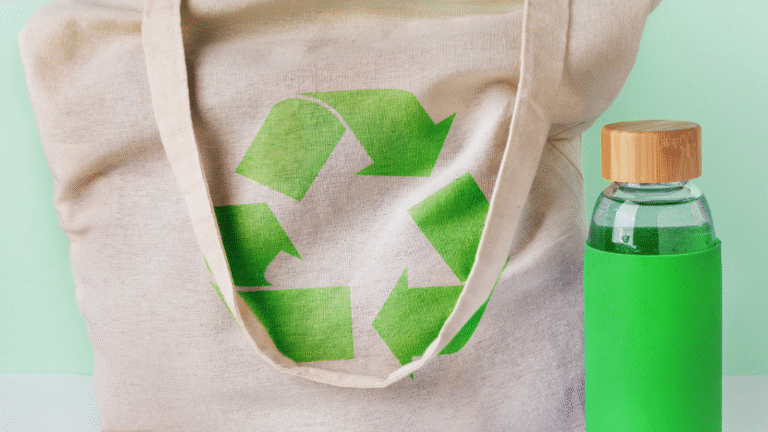
Single-use plastics have become a ubiquitous part of daily life, found in everything from packaging to disposable cutlery. These items, designed for one-time use, contribute significantly to environmental degradation and pollution. Reducing dependency on single-use plastics is essential for protecting ecosystems and promoting sustainability.
The impact of single-use plastics on marine life and landscapes is profound, leading to harmful effects on wildlife and natural habitats. Many plastics take hundreds of years to decompose, meaning the waste cycle continues to grow with every item discarded. Transitioning to sustainable alternatives not only minimises environmental footprints but also encourages a culture of responsibility towards the Earth.
Consumers, businesses, and governments must work together to create effective strategies for reducing plastic waste. By embracing reusable materials and supporting policies aimed at limiting plastic production and consumption, society can drive meaningful change. A collective commitment to decreasing single-use plastics will pave the way for a cleaner, greener future.
The Environmental Threat of Single-Use Plastics
Single-use plastics pose significant threats to the environment, affecting marine ecosystems, contributing to climate change, and resulting in widespread plastic pollution. The following sections examine the impact on marine life, their role in climate change, the Great Pacific Garbage Patch, and the pervasive issue of microplastics.
Impact on Marine Life
Single-use plastics are a leading cause of marine pollution. Millions of tons of plastic enter oceans each year, threatening marine species. Sea turtles, whales, and fish often mistake plastic items for food, leading to injury or death.
Ingestion can cause:
- Internal injuries
- Starvation from blocked digestive tracts
- Toxic exposure from consuming plastics
Additionally, entanglement in plastic waste can severely injure or kill marine animals. Species such as seals and seabirds are particularly vulnerable. Efforts to reduce single-use plastics can help protect these vital ecosystems.
Contribution to Climate Change
The production and disposal of single-use plastics significantly contribute to greenhouse gas emissions. Manufacturing processes often rely on fossil fuels, releasing carbon dioxide and contributing to global warming.
At disposal, when plastics are incinerated, they emit harmful pollutants. These emissions negatively impact air quality and public health. Reducing single-use plastics can help lessen both environmental damage and human health risks associated with climate change.
The Great Pacific Garbage Patch
The Great Pacific Garbage Patch is one of the most infamous plastic pollution sites, located between Hawaii and California. It consists of millions of plastic pieces, accumulating due to ocean currents.
This massive patch represents a small portion of the plastic waste in oceans. Studies indicate that it contains around 1.8 trillion pieces of plastic. The sheer volume poses severe hazards to marine life and ecosystems.
Efforts to clean up this area are ongoing, but long-term solutions require reducing the input of plastics into oceans.
Microplastics Problem
Microplastics, tiny plastic particles less than 5mm in size, have permeated ecosystems as a result of single-use plastics degrading. They are found in oceans, soil, and even drinking water.
These microplastics are ingested by various organisms, from plankton to larger fish, entering the food chain. Research shows that some microplastics can carry toxic substances, which can accumulate in higher trophic levels.
Addressing the issue of microplastics necessitates a comprehensive approach to reduce single-use plastics and improve waste management practices.
Challenges of Recycling and Waste Management
Recycling and waste management face significant hurdles that impact their effectiveness. Understanding these challenges is essential for addressing the issues associated with single-use plastics.
Complexity of Recycling Plastics
Recycling plastics is complicated due to the various types of materials involved. There are seven main categories of plastics, each requiring different processing techniques. For instance, high-density polyethylene (HDPE) is recyclable, while polystyrene often is not.
The sorting process is also problematic. Contaminants, such as food residues, can hinder recycling efforts. Inadequate public awareness leads to improper disposal, further complicating recycling.
Additionally, recycling facilities may lack the technology needed to handle certain plastics. This results in a significant amount of recyclable materials ending up in landfills instead of being repurposed.
Global Recycling Rate and Efforts
The global recycling rate for plastics remains low, estimated at around 9%. This is alarming given the increasing production of plastic worldwide.
Many countries are making efforts to improve recycling rates through initiatives and regulations. Programs aimed at increasing awareness and incentivising recycling can drive participation.
For example, the European Union has set targets to significantly increase recycling rates by 2025. Progress varies by region, and many developing countries still struggle with basic waste management infrastructure.
Waste Generation and Management
Waste generation continues to rise, with millions of tons of plastic entering landfills and oceans each year. Urbanisation, population growth, and consumer habits contribute to this increase.
Effective waste management is crucial, yet many municipalities lack the resources to handle plastic waste efficiently. Limited funding and poorly structured systems can lead to even more waste being improperly managed.
Countries that implement comprehensive waste management strategies often see better results. This includes reducing waste at the source, enhancing recycling programs, and promoting alternatives to single-use plastics. Addressing these challenges is vital for sustainable waste management practices.
Alternatives to Single-Use Plastics
Looking for alternatives to single-use plastics is a simple way to make more sustainable choices in everyday life. Options like reusable bags, plastic-free packaging, biodegradable straws, and reusable cups are becoming more common and easy to adopt. Reusable cups, in particular, are gaining attention—not just among individuals, but also among businesses. Many cafés, events, and brands are now using them as part of their identity, combining sustainability with subtle promotion. Companies like Printed Cups UK and similar others elsewhere are helping make this shift easier by offering practical, reusable options that also support brand visibility.
Benefits of Reusable Bags
Reusable bags provide a practical solution to reduce reliance on single-use plastic bags. Made from durable materials such as cotton, jute, or recycled plastics, they can be used multiple times. This significantly cuts down on waste produced from disposable bags.
Additionally, reusable bags often hold more weight and volume, making them ideal for groceries. Many retailers encourage their use by offering discounts or incentives, promoting eco-friendly shopping habits. These bags not only benefit the environment but also enhance consumers’ shopping experiences.
Adoption of Plastic-Free Packaging
Plastic-free packaging is gaining traction as businesses seek sustainable alternatives. Materials like glass, metal, cardboard, and biodegradable films are becoming popular choices. These options reduce the environmental impact associated with traditional plastic packaging.
Companies that adopt plastic-free packaging often appeal to environmentally conscious consumers. This shift can enhance a brand’s reputation and foster customer loyalty. By utilising recycled or reusable materials, businesses can contribute to a circular economy, minimising waste further.
Emergence of Biodegradable Straws
Biodegradable straws are an effective alternative to traditional plastic straws. Made from materials like bamboo, paper, or compostable plastics, they break down more naturally in the environment. This characteristic significantly reduces the long-term pollution associated with plastic straws.
Several restaurants and cafes have started offering biodegradable straws to meet customer demand. This change not only addresses environmental concerns but also aligns with growing consumer preferences for sustainable dining options. As awareness of plastic pollution increases, the shift toward biodegradable straws is likely to continue gaining momentum.