Teaching kids about sustainability can be both enjoyable and impactful. Engaging activities like gardening, recycling crafts, and nature walks can instill a sense of responsibility in children while allowing them to learn about the environment. These activities not only provide hands-on experience but also spark curiosity and discussion about crucial topics such as waste reduction and resource conservation.
Parents and educators play a vital role in introducing sustainable concepts through playful experiences. By incorporating games and challenges that promote eco-friendly habits, children can better grasp the importance of their actions on the planet. This approach encourages them to become proactive in their communities and fosters lifelong sustainable practices.
As children participate in fun, interactive projects, they develop a deeper connection with nature and understand their role in maintaining it. This learning process can lead to lasting change and inspire the next generation to prioritise sustainability.
Getting Started with Sustainability
Teaching kids about sustainability begins with laying a strong foundation of concepts. This section covers the basics of sustainability, why it is vital for children to learn about it, and practical strategies for recycling and waste reduction.
Understanding Sustainability
Sustainability refers to the practice of meeting present needs without compromising future generations’ ability to meet their own. This encompasses environmental, social, and economic dimensions. Engaging children with hands-on activities promotes comprehension.
By introducing elements such as renewable resources and ecosystems, kids learn their role in preserving the planet. Practical examples like exploring local environments or gardening can ground these concepts. Discussions around natural resources can foster awareness and responsibility.
Importance of Teaching Kids About Sustainability
Teaching sustainability to children ensures they develop a long-term commitment to the environment. Understanding these principles from a young age encourages eco-conscious behavior as they grow. Children equipped with sustainability knowledge are more likely to make informed choices, promoting a culture of conservation.
Simplifying complex ideas into relatable concepts solidifies learning. For instance, explaining how everyday actions impact the planet can make a difference. Demonstrating direct effects, like pollution from plastic use, shows the real-world implications.
Basics of Recycling and Waste Reduction
Recycling is a key component of sustainability. Children should learn to differentiate between recyclable and non-recyclable materials. Common recyclable items include paper, glass, and certain plastics.
A simple method to teach recycling is through sorting games. These can help children understand what items can be reused or recycled.
Waste reduction encourages mindful consumption. Children can easily grasp this concept through practical activities, such as using reusable bags and containers. Teaching them to reduce single-use plastics can have a significant impact.
Creating a family compost bin or involving kids in meal planning helps them recognise how to reduce food waste. Each small step contributes to larger environmental benefits.
Practical Activities for Sustainable Living
Engaging children in practical activities can foster a deeper understanding of sustainability. These hands-on experiences empower them to take part in eco-friendly practices from an early age.
DIY Recycling Projects
DIY recycling projects offer fun ways for children to learn about waste reduction. They can transform everyday items into new creations, such as:
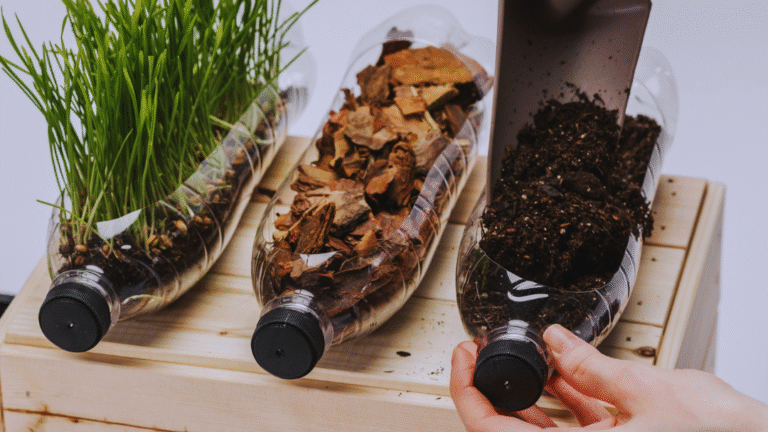
- Bottle Planters: Cut a plastic bottle in half, fill it with soil, and plant herbs or flowers. This promotes recycling and gardening.
- Newspaper Beads: Roll strips of newspaper into beads and string them to create jewelry. This engages creativity while reusing materials.
Materials needed often include scissors, glue, and paint to personalise their projects. Encourage kids to share their creations, turning learning into a community effort.
Creating a Compost Bin
Building a compost bin demonstrates how organic waste can contribute to a sustainable environment. Children can help in selecting a suitable location for the bin, ensuring it is well-drained and receives sunlight.
- Materials: Use a sturdy container such as a plastic bin or wooden pallet.
- Layers: Teach them the importance of layering greens (fruit scraps, vegetables) and browns (dry leaves, cardboard).
- Maintenance: Involve them in turning the compost regularly to aerate it. This process will teach them patience and responsibility.
Composting not only reduces waste but also enriches garden soil, making it an excellent learning experience.
Gardening with Children
Gardening is an excellent activity for teaching kids about sustainability and nutrition. Children can learn to grow their own food, which fosters a connection with nature and an understanding of the food cycle.
- Planting Seeds: Start with easy-to-grow seeds like beans or sunflowers. Discuss germination and the growth process.
- Watering and Care: Involve them in daily tasks such as watering and weeding, emphasising the importance of care in sustaining life.
Gardening can also include creating a small vegetable patch, making it a fun and rewarding experience. Children learn where their food comes from and the effort needed to grow it.
While tending to the garden, it’s also a great opportunity to teach kids about the role certain insects play in our ecosystem. For example, bees are essential pollinators, and without them, many of the fruits and vegetables we grow simply wouldn’t exist. Children should understand that bees are generally harmless when undisturbed and deserve to be treated with respect.
That said, if a hive appears in a high-traffic area of the yard, it’s best to avoid DIY sprays or extermination, which can harm pollinators and disrupt the local ecosystem. Instead, calling in a professional for humane relocation is the more responsible choice. Services that offer same day bee removal Phoenix or those from similar locations can be far better aligned with the sustainability values we’re trying to pass on to our kids.
Energy Conservation Techniques
Teaching children about energy conservation is vital for fostering sustainable habits. Practical techniques can be easily practiced in their daily routines:
- Switching Off: Encourage them to turn off lights and electronics when not in use. This simple action reduces energy consumption.
- Using Natural Light: Teach kids to open curtains during the day to utilise sunlight instead of artificial lighting.
Interactive games or challenges can make these practices more engaging. For instance, creating a “lights out” challenge can encourage teamwork while promoting energy awareness.
Special Events and Observances
Special events and observances provide excellent opportunities to teach kids about sustainability. By engaging them in themed activities, they can learn eco-friendly practices in a fun and interactive way. Two significant events stand out: Earth Day and incorporating eco-friendly practices.
Celebrating Earth Day
Earth Day, celebrated on April 22, focuses on promoting environmental awareness. Schools and community centers often host activities that encourage kids to participate in cleaning up local parks, planting trees, or creating art from recyclable materials.
Activity Ideas:
- Nature Walks: Students can explore local habitats and observe wildlife.
- Art Competitions: Encourage kids to create artworks using recycled materials.
- Workshops: Host sessions on composting or gardening to teach practical eco-friendliness.
These activities build a sense of responsibility toward the environment and instill eco-conscious behaviors at a young age.
Incorporating Eco-Friendly Practices
In addition to special days, integrating eco-friendly practices into everyday activities helps reinforce learning. Kids can adopt simple routines that promote sustainability.
Practical Tips:
- Recycling Projects: Create a recycling program within the classroom, teaching kids how to sort waste.
- Plant-Based Meals: Organise cooking sessions focusing on vegetarian recipes, highlighting the environmental benefits of plant-based diets.
- Eco Clubs: Establish clubs that meet regularly to brainstorm and implement new green initiatives.
These activities empower children to become stewards of the environment, encouraging lifelong eco-friendly habits.