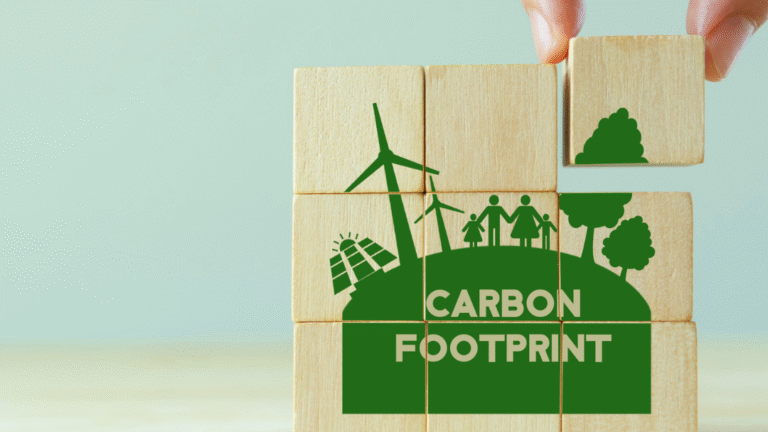
A carbon footprint refers to the total amount of greenhouse gases, particularly carbon dioxide, emitted directly or indirectly by individuals, organisations, or products. Reducing this footprint is essential for mitigating climate change and minimising environmental impact. It represents a critical step that everyone can take to contribute to a more sustainable future.
Many daily activities contribute to an individual’s carbon footprint, including transportation, energy use, and food consumption. By making conscious choices, such as opting for public transport, reducing energy use at home, or choosing local and seasonal foods, significant reductions can be achieved.
Understanding the sources of emissions can empower individuals to make better decisions that not only benefit the planet but also foster a healthier lifestyle. Engaging with strategies to lower one’s carbon footprint can create a ripple effect, inspiring others to join the effort for a greener Earth.
Understanding Carbon Footprint
A carbon footprint measures the total greenhouse gas emissions, particularly carbon dioxide (CO2), methane (CH4), and nitrous oxide (N2O), associated with an individual, organisation, or product. By understanding its components and measurement techniques, individuals can identify ways to reduce their impact on the environment.
Components of a Carbon Footprint
The carbon footprint consists of direct and indirect emissions. Direct emissions arise from activities like driving a vehicle or heating a home, where fossil fuels are burned. Indirect emissions come from the production of goods and services, such as food, clothing, and energy.
Key components include:
- Carbon Dioxide (CO2): Emitted from fossil fuel combustion.
- Methane (CH4): Released during agricultural practices, landfills, and natural gas production.
- Nitrous Oxide (N2O): Resulting from fertiliser application and other agricultural practices.
Understanding these components helps in targeting specific areas to lower emissions effectively.
Measurement Tools and Techniques
Numerous tools are available for measuring carbon footprints accurately. Carbon footprint calculators are widely used, allowing individuals and organisations to estimate their emissions based on various activities and choices. These calculators often consider factors such as energy consumption, transportation methods, and waste produced.
Techniques for measurement include:
- Life Cycle Assessment (LCA): Evaluates emissions from the entire lifecycle of a product, from production to disposal.
- Emissions Inventory: A comprehensive accounting of greenhouse gas emissions from various sources within a specific area.
Utilising these tools helps identify opportunities for reduction and promotes awareness about one’s environmental impact.
Strategies for Reducing Carbon Footprint
Reducing a carbon footprint involves practical strategies focused on energy use, transportation, and waste management. Implementing effective measures can significantly lower emissions and contribute to environmental sustainability.
Home energy use is also shaped by how effectively a property controls heat transfer. For homeowners in the Temecula Valley and North San Diego area, insulation and air sealing are practical energy efficiency upgrades that can reduce the workload on heating and cooling systems. Reviewing insulation levels and air leakage can therefore be a useful part of a broader plan to improve household efficiency.
Energy Efficiency Improvements
Improving energy efficiency is essential for lowering carbon emissions. This can be achieved by upgrading insulation, installing energy-efficient appliances, and using smart home technology. Consider these options:
- LED Lighting: Replacing incandescent bulbs with LED lights can reduce energy consumption by up to 75%.
- Energy Star Appliances: Look for appliances that have the Energy Star label, which signifies reduced energy use.
- Smart Thermostats: These devices optimise heating and cooling, resulting in lower energy bills and decreased emissions.
Regular maintenance of heating and cooling systems also plays a crucial role. Simple actions such as sealing leaks and switching to renewable energy sources can further enhance efficiency.
When heating and cooling systems run without regular checkups, they consume more electricity and work harder to maintain comfortable indoor temperatures. Over time, dust buildup and worn parts reduce the system’s overall performance. Homeowners can prevent these issues with annual tune-ups from professional technicians. A reliable service provider like Watkins Heating & Cooling keeps your equipment in top shape. This simple step lowers monthly utility bills and extends the lifespan of your home comfort systems.
Choosing the right fuel source for home heating also makes a big difference in carbon emissions. Propane is a clean-burning option that produces fewer greenhouse gases than heating oil or electricity from coal-fired plants. Many homeowners switch to this fuel for their heating systems and appliances to reduce their environmental impact. Working with a dependable local supplier like Payne Oil and Propane makes the transition simple. They handle the delivery and equipment maintenance so you do not have to worry about running out of fuel during cold weather.
Sustainable Transportation Methods
Transportation is a significant contributor to carbon footprints. Transitioning to sustainable options can make a notable difference. Strategies include:
- Public Transit: Using buses, trains, or subways reduces the number of vehicles on the road and lowers emissions.
- Carpooling: Sharing rides with others decreases the use of individual cars and minimises travel costs.
- Biking or Walking: For short distances, these alternatives eliminate vehicle emissions and promote personal health.
Electric or hybrid vehicles are increasingly available and offer a cleaner option for those who need to drive. By adopting these methods, individuals can help reduce overall transportation emissions.
This focus on cleaner transport also extends to industrial and warehouse environments where heavy machinery operates daily. Many businesses rely on material handling equipment that runs on internal combustion engines, which can produce high emissions if they use diesel or gasoline. Switching to cleaner fuel alternatives helps companies meet their environmental targets and maintain operational efficiency. Reliable forklift propane services provide a practical solution with clean-burning fuel cylinders that keep operations active without the long charging times of electric alternatives. This choice helps lower the overall carbon output of a facility and keeps daily productivity high.
Waste Reduction and Recycling Initiatives
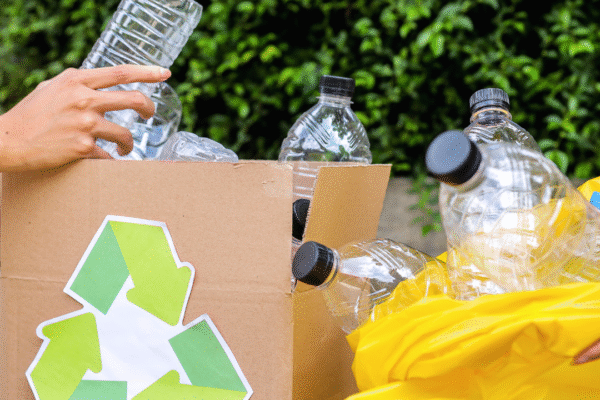
Waste management directly impacts carbon footprints. Engaging in waste reduction and recycling can lower emissions generated from waste disposal. Key strategies include:
- Reduce, Reuse, Recycle: Following this mantra helps minimise waste. Aim to purchase fewer items and choose products with minimal or eco-friendly packaging.
- Composting: This process turns organic waste into nutrient-rich soil, reducing landfill contributions.
- Participating in Local Programs: Joining community recycling initiatives encourages responsible disposal and increases recycling rates.
By applying these practices, individuals contribute to environmental sustainability while significantly reducing their carbon footprints.
Offsetting Carbon Emissions
Offsetting carbon emissions involves compensating for greenhouse gas (GHG) emissions by investing in projects that reduce or remove the equivalent amount of carbon from the atmosphere. This approach enables individuals and organisations to mitigate their environmental impact while continuing their regular activities.
Carbon Offset Programs
Carbon offset programs offer individuals and businesses the opportunity to invest in projects designed to reduce GHG emissions. These programs often fund renewable energy initiatives, reforestation efforts, and energy efficiency improvements.
- Certification: It is crucial to choose certified programs that adhere to recognised standards, such as the Verified Carbon Standard (VCS) or the Gold Standard.
- Variety of Projects: Options may include wind farms, solar energy installations, or tree planting initiatives.
By purchasing carbon offsets, organisations can balance their emissions, making strides toward sustainability.
Investment in Renewable Projects
Investing in renewable projects is a practical way to offset emissions while promoting cleaner energy solutions. Such investments support initiatives that generate energy from sustainable sources, reducing reliance on fossil fuels.
- Types of Projects: Common renewable projects include solar, wind, hydroelectric, and geothermal energy.
- Community Benefits: These projects not only contribute to reducing carbon footprints but also create jobs and stimulate local economies.
Supporting renewable energy initiatives can lead to a significant reduction in GHG emissions and enhance environmental health.