
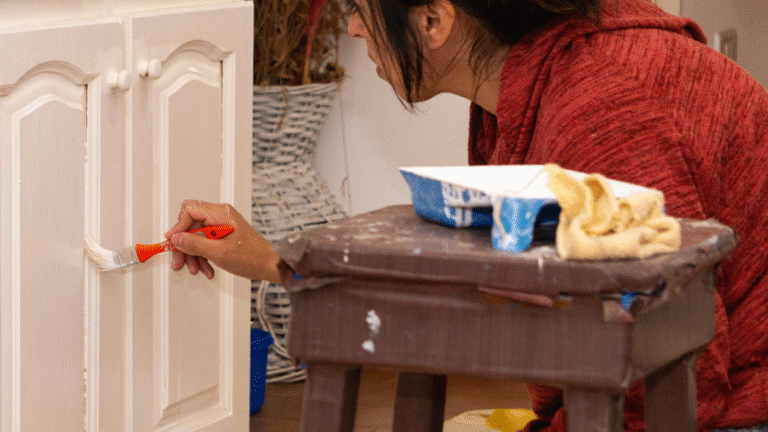
Upcycling old furniture transforms worn pieces into unique, functional items that fit modern spaces without the need to buy new. It involves cleaning, repairing, sanding, painting, or reimagining the item’s purpose. The key is to identify what makes the piece special and highlight those features through creative yet practical updates. Many people have furniture with […]

How to Make Homemade Natural Air Fresheners for a Fresh and Eco-Friendly Home
Many people want a fresh-smelling home without using chemical sprays. Homemade natural air fresheners are simple to create, using common ingredients like essential oils, baking soda, and citrus peels. The most effective natural air fresheners combine these ingredients to neutralise odours and release pleasant scents safely. These options not only avoid synthetic fragrances but also […]

Small Gardening Projects That Support Biodiversity for Healthier, Greener Spaces
Small gardening projects can play a significant role in supporting local biodiversity by creating habitats and food sources for pollinators, birds, and beneficial insects. By incorporating native plants and avoiding pesticides, gardeners provide essential resources that help sustain diverse ecosystems even in small urban spaces. Simple actions, like planting wildflowers, building a birdhouse, or installing […]
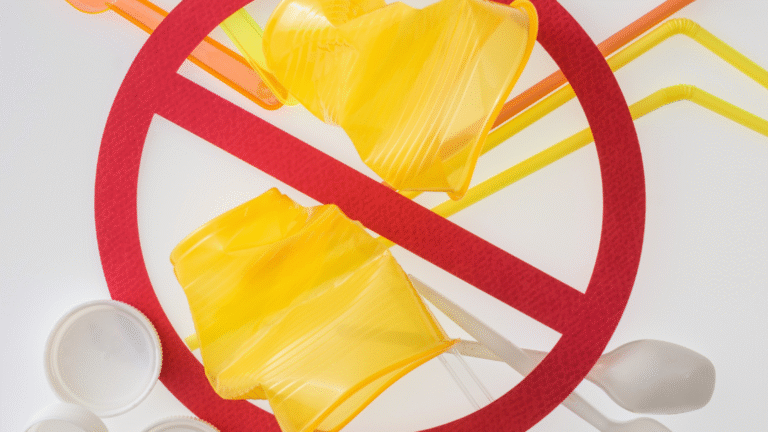
The Impact of Single-Use Plastics and How to Avoid Them for a Sustainable Future
Single-use plastics contribute significantly to environmental pollution, harming oceans, wildlife, and ecosystems. Their widespread use creates waste that often takes hundreds of years to decompose, posing a long-term threat to the planet. The most effective way to reduce the impact of single-use plastics is to minimise their use and replace them with reusable or biodegradable […]

5 Common Mistakes Homeowners Make When Disposing of Old Mattresses
5 Common Mistakes Homeowners Make When Disposing of Old Mattresses Replacing a mattress feels like the easy part. Getting rid of the old one is where most homeowners run into trouble, not because they’re careless, but because the rules around disposal are genuinely confusing. Get it wrong and you’re looking at council fines, missed bins, […]

How to Shop for Clothes with Sustainability in Mind: A Practical Guide to Eco-Friendly Fashion Choices
Shopping for clothes with sustainability in mind means prioritising quality, ethical production, and environmental impact. Choosing garments made from natural or recycled materials and supporting brands that practice transparency helps reduce the environmental footprint. Consumers should focus on durability over fast fashion trends to make more responsible choices. Understanding labels, researching brands, and considering secondhand […]

How to Build a Sustainable Self-Care Routine for Lasting Wellness and Balance
Building a sustainable self-care routine involves consistent, manageable actions that support long-term well-being. It means integrating practical habits into daily life that promote physical, mental, and emotional health without overwhelming the individual. This approach helps maintain balance and prevents burnout over time. A sustainable self-care routine is personalised and flexible, recognising that needs can change. […]
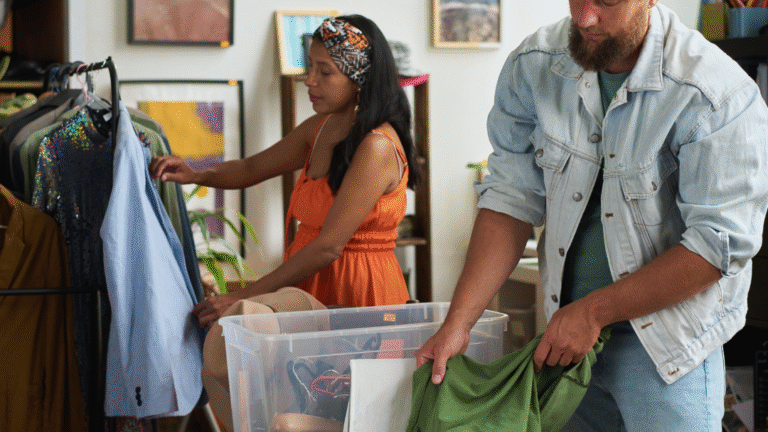
The Role of Secondhand Shopping in Green Living: Sustainable Choices for Modern Consumers
Secondhand shopping reduces waste by giving items a second life, which lowers the demand for new products and the resources needed to produce them. It also helps decrease pollution and energy consumption tied to manufacturing and shipping. By choosing secondhand, individuals actively support more sustainable consumption patterns and contribute to less environmental strain. This approach […]
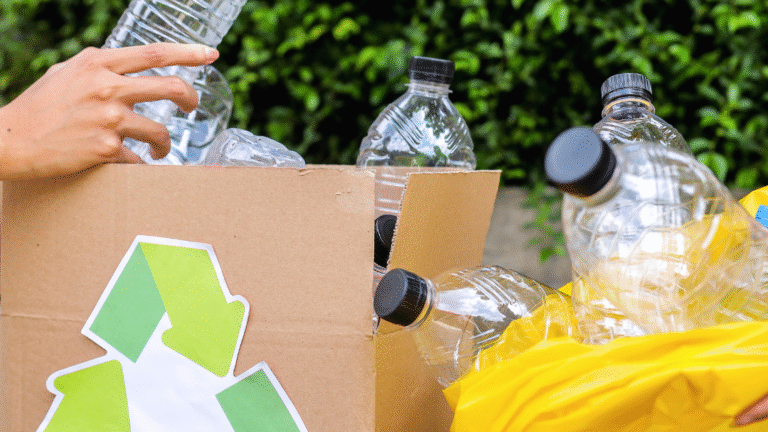
Beginner’s Guide to Eco-Friendly Home Cleaning: Essential Tips for a Healthier Living Space
Many people want to maintain a clean home without harming the environment. Eco-friendly home cleaning offers simple, effective methods using natural ingredients and sustainable practices. It reduces exposure to harsh chemicals while protecting indoor air quality and reducing waste. This guide breaks down practical steps and easy swaps anyone can make to shift toward greener […]
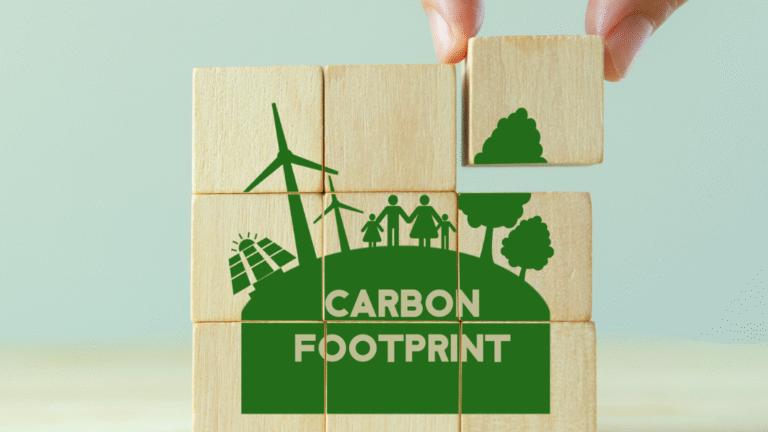
Tips for Reducing Your Carbon Footprint at Home with Practical Energy-Saving Strategies
Reducing a carbon footprint at home involves practical changes that lower energy use and waste production. Many simple adjustments can make a measurable difference without major lifestyle disruptions. Using energy-efficient appliances, minimising water waste, and reducing single-use plastics are key steps to cutting household emissions. These actions contribute directly to lowering overall carbon output in […]